Stop Searching ‘Coffee Shop Aesthetic’, Here’s What You Actually Need.

Recent Posts
Share this article:
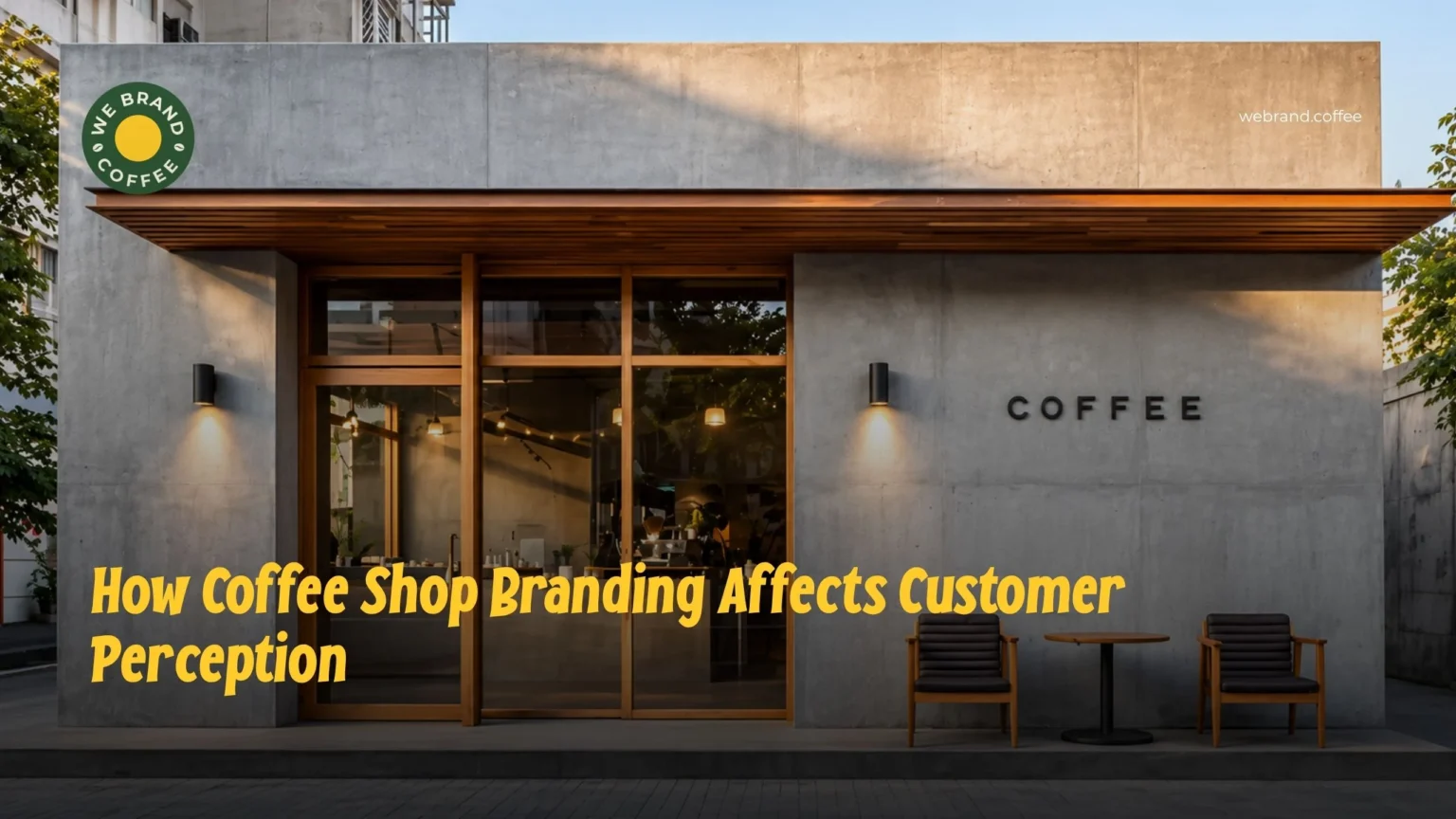
The warm lighting won’t save a weak coffee branding positioning strategy. Aesthetic callout has convinced an entire generation of coffee cafe owners that vibe equals value, but when it comes to getting the coffee branding agency right, it’s knowing why some coffee shops become local institutions while others remain just another beautiful background for Instagram photos. While on the surface “coffee shop aesthetics,” “cafe interior inspiration”, and “coffee shop design ideas, do get you good design inspiration, successful coffee brands are not built from aesthetics; rather, they are built from coffee brand identity inward.
You can have the most beautiful walls, but that wins when it stands for something; it is a success when the coffee shop design supports your coffee brand story, and the visuals reinforce your coffee brand positioning when you are starting a coffee shop. The difference between a coffee shop aesthetic and a coffee brand is not solely the design decision but each detail that allows your consumer to know your coffee brand.
So, if you are starting up a coffee shop, rebranding an existing espresso cafe, or simply trying to stand out in an increasingly crowded speciality coffee market, then understanding why a good coffee shop aesthetic is the answer to whether you build a cafe that looks good or a coffee brand that people choose.
Why can’t a good coffee shop design fix a weak coffee branding?
There is no question that the coffee industry spends a lot of time talking about aesthetics and surprisingly little time about the coffee brand identity. Earthy walls, minimalist typography, handcrafted cups, carefully curated playlist, beautiful interiors and yet not memorable.
Sure, the design solves the first five seconds, but it is the coffee branding services that solve the coming five years. So, while a good coffee shop design can genuinely create a first impression, signal price point, and communicate care and craft, it is good coffee branding services that make someone choose your coffee brand over the speciality coffee shop, give a person something to write about, and give your customer something to tell their friend.
So, before you decide on how a coffee brand should look, we need to understand what your coffee brand stands for, what role it plays in people’s lives, what makes it different from every other speciality coffee brand, and what belief or perspective sits at the centre of the business. As a coffee branding agency in bangalore, we have worked with coffee roasters, cafe chains, speciality coffee startups, and independent coffee houses, and while everyone can achieve a beautiful aesthetic coffee shop, what creates a challenge is when you have a good coffee brand identity.
- What does your coffee brand stand for?
- Why was it created?
- Why should your consumers choose your coffee brand over dozens of alternatives?
- What perspective does the coffee branding bring to the coffee culture?
These are not just design questions; rather, they are coffee brand positioning questions that set the foundation for long-term business success. A stronger coffee branding allows you to know exactly who you are serving, as each element of coffee branding services, be it the name, coffee brand packaging, menu language, social content, and physical environment, all communicates towards the same idea, which in return creates an emotional connection. In fact, great coffee branding is never about beautiful aesthetics; rather, it is about defining a meaningful coffee brand identity and expressing it through each customer touchpoint.
What do most coffee shop owners get wrong before starting up a coffee shop?

One of the biggest misconceptions about coffee branding services is that it’s primarily a design exercise. People imagine branding begins with logos, colour palettes, packaging concepts, and interior inspiration. Those elements certainly matter, but they’re not where the most important work happens.
As a coffee branding agency, we’ve learned that the strongest coffee brands are built long before a designer opens a presentation deck. They are built through decisions. Decisions about who the brand serves, what it stands for, how it wants to be perceived, and what role it wants to play in people’s lives.
Before we think about visual identity, we help coffee businesses define:
- What makes them different from every other coffee shop.
- What values guide their decisions.
- What kind of customers they want to attract.
- What emotional experience they want to create.
- What story only they can tell.
These decisions become the foundation for everything that follows, and without them, design becomes decoration. With them, design becomes communication. That’s the difference between a coffee shop that looks attractive and a coffee brand that feels meaningful.
Conclusion

The coffee industry doesn’t have a shortage of beautiful cafés. It has a shortage of distinctive coffee brands. Every year, new coffee shops open with carefully curated interiors, premium equipment, thoughtful packaging, and aesthetically perfect social media feeds. Yet many of them struggle to build lasting customer loyalty because they invested heavily in how the brand looked and very little in what the brand stood for.
The reality is that customers rarely remember a coffee shop because of its lighting, furniture, or typography. They remember it because of the story it told, the perspective it represented, and the feeling it created. That’s why great coffee branding is never about aesthetics alone.
It’s about building clarity.
Clarity around why your coffee brand exists. Clarity around who it serves. Clarity around what makes it different. Clarity around why someone should choose it over every other option available. When those foundations are in place, design becomes more powerful. Packaging becomes more meaningful. Marketing becomes more effective. Customer loyalty becomes easier to earn. So if you’re starting a coffee shop, launching a speciality coffee brand, or rebranding an existing café, stop asking how your coffee shop should look.
Start asking what your coffee brand should mean. Because aesthetics may get people through the door. But brand identity is what gives them a reason to come back.
FAQ
Copying trending decor styles makes your cafe look identical to dozens of competitors, stripping away true brand identity. Trends fade quickly, leaving generic-looking cafes forced into expensive renovations to stay visually relevant.
Focus on developing a genuine brand story, superior bean sourcing, exceptional barista service, and strong local roots. Building a business on quality product, a distinct creative coffee shop logo, and memorable service creates a durable brand identity that outlasts decor trends.
Draw visual inspiration from your local neighborhood history, personal origin story, or architectural characteristics. Authentic design choices featured in your coffee cafe logo design feel personal and timeless, building meaningful connections with local neighborhood patrons.
Yes, intuitive customer queues, accessible seating, efficient pickup counter spaces, and comfortable lighting drive customer satisfaction. A highly functional space ensures fast service and a smooth physical experience that keeps patrons returning daily.
Exceptional coffee quality paired with genuine hospitality creates passionate regular customers who naturally advocate for you. Word-of-mouth recommendations build a sustainable customer base far more effectively than surface-level aesthetic trends.
Recent Posts
FAQ
Coffee shop aesthetics focus on how a café looks, including its interiors, colour palette, furniture, packaging, and visual style. Coffee branding goes much deeper. It defines what a coffee brand stands for, who it serves, what makes it different, and why customers should choose it over competitors. While aesthetics create a first impression, coffee branding creates long-term recognition, emotional connection, and customer loyalty.
A great coffee shop design can attract attention, but it cannot explain why your business exists or what makes it memorable. Strong coffee branding gives customers a reason to choose your café, recommend it to others, and return repeatedly. Design influences the first few seconds of customer perception, while coffee branding influences how people remember and experience your business over time.
A coffee branding agency helps coffee businesses build a clear and distinctive identity before creating visual assets. This includes developing brand positioning, naming, messaging, brand voice, storytelling, customer experience strategy, packaging direction, and visual identity systems. The goal is to create a coffee brand that communicates a consistent and meaningful story across every customer touchpoint.
Related Posts