India's Specialty Coffee: A Tale of Terroir and Climate Challenge
Recent Posts
Share this article:
Specialty coffee is the highest grade of coffee brand that is available, with a score of over 80 points, defined by the Specialty Coffee Association (SCA). It focuses on exceptional flavour clarity, full view of the form, and showcasing ethical, sustainable practices. Certified experts known as Q graders grade all coffees, and this evaluation process is called cupping, with ten different criteria to score. These criteria include fragrance & aroma, flavour & aftertaste, acidity & body, and balance & sweetness.
Fragrance and aroma are the scent of ground coffee and a brewed cup. The taste and aftertaste of the beverage represent the profile of the coffee, which can include fruity, floral, or nutty aftertaste. The acidity and body have to do with the presence of brightness or heaviness in the coffee. Balance and sweetness are about the way flavor components work together.
The scorecard is divided into 4 levels of grade points: 90-100 points is superior, 85-89.99 points is excellent, 80-84.99 points is very good, while those below 80 points are not considered specialty coffee.
Specialty coffee V/s Commodity Coffee.
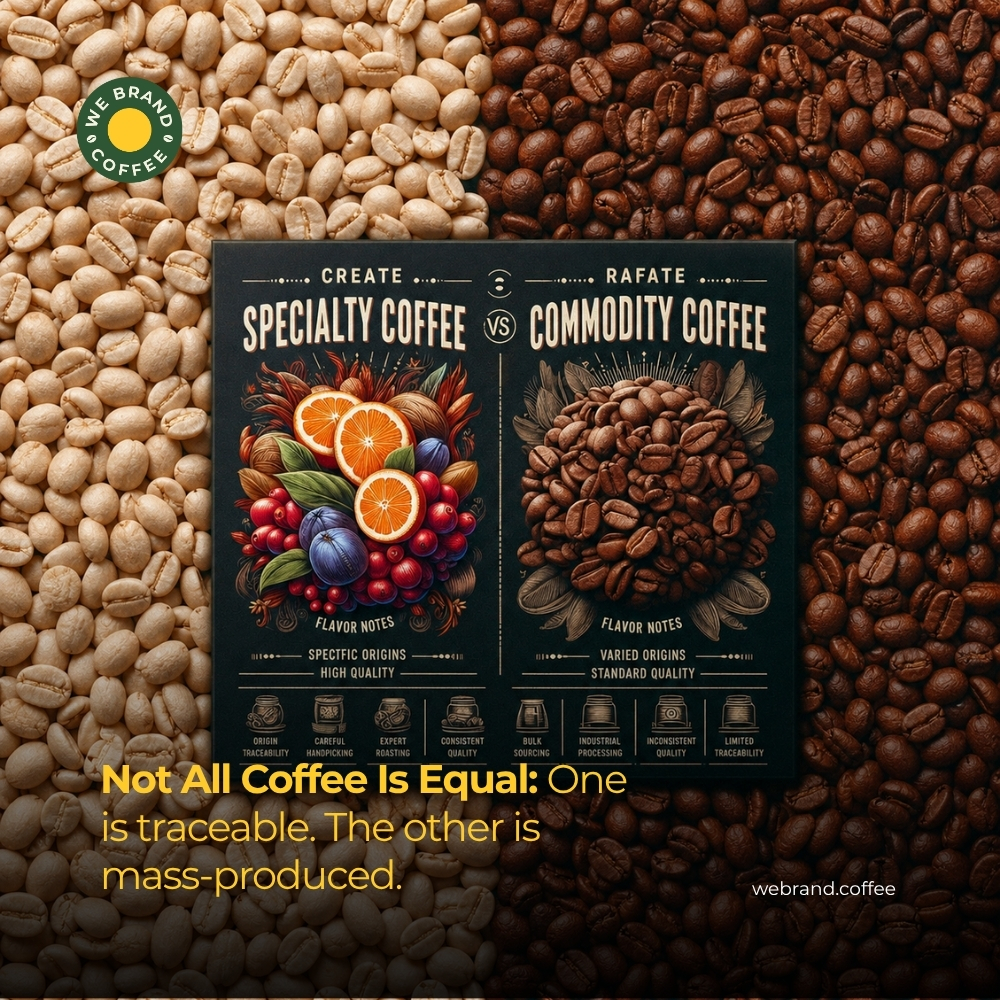
Specialty coffee is fully traceable, as you will know where the bean comes from – the region, farm, or co-op. Whereas commodity coffee is generally blended, as beans come from different regions with no single origin.
Specialty coffee is grown at higher altitudes, in specific microclimates, and harvested selectively by hand. Whereas Commodity coffee is mass-produced through machines in large volumes.
Specialty coffee has an intricate and unique flavour with tasting notes like fruity, nutty, jasmine, or floral. Whereas commodity coffee is more uniform, flat, and roasted darker to hide the defects or bitter tastes.
The specialty coffee movement is associated with third-wave coffee that is driven by its creation and farm-to-cup intention. The production of high-quality beans requires more hard work and good weather & soil conditions.
The main benefits of specialty coffee are high-quality flavour, higher antioxidants, fewer toxins and carcinogens, no digestive discomfort, and Vitamin B3 to support metabolism and heart health. Regarding taste and quality, no sugar is added because it is picked from the farm by hand, thus ensuring that it is always fresh, unlike other commercial coffees.
Coffee farmers Crisis in India
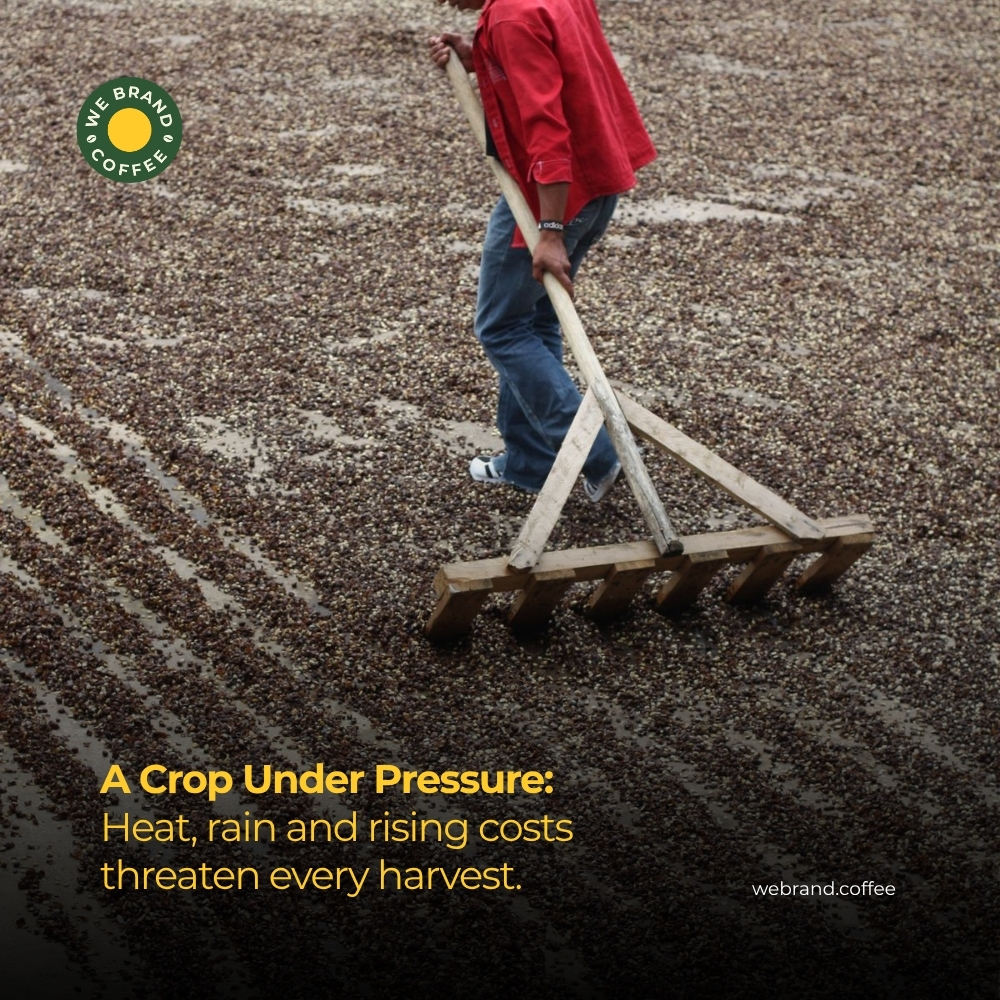
The coffee planters in India face tremendous challenges regarding both agriculture and economics because the majority of the 2,50,000 coffee farmers of India own farms that have just 10 hectares of land. There are several factors responsible for such challenges, including climate change, rising cost of production, and disruption in international markets.
As per the findings of a climate study carried out in 2026, there are 30 extra days of high temperatures in the coffee farming zones annually. Tamil Nadu has experienced 43 extra hot days, and Karnataka has faced 32 extra hot days.
There is also unpredictable rainfall that has broken the traditional cycle of flowering followed by extreme heat, due to which the cherries dry or rot. There is also an 8% drop in Arabica seeds due to weather anomalies and a slight decrease in Robusta yield. There is an increase in pest problems due to warm winters and irregular monsoons.
Regions where good coffee is born
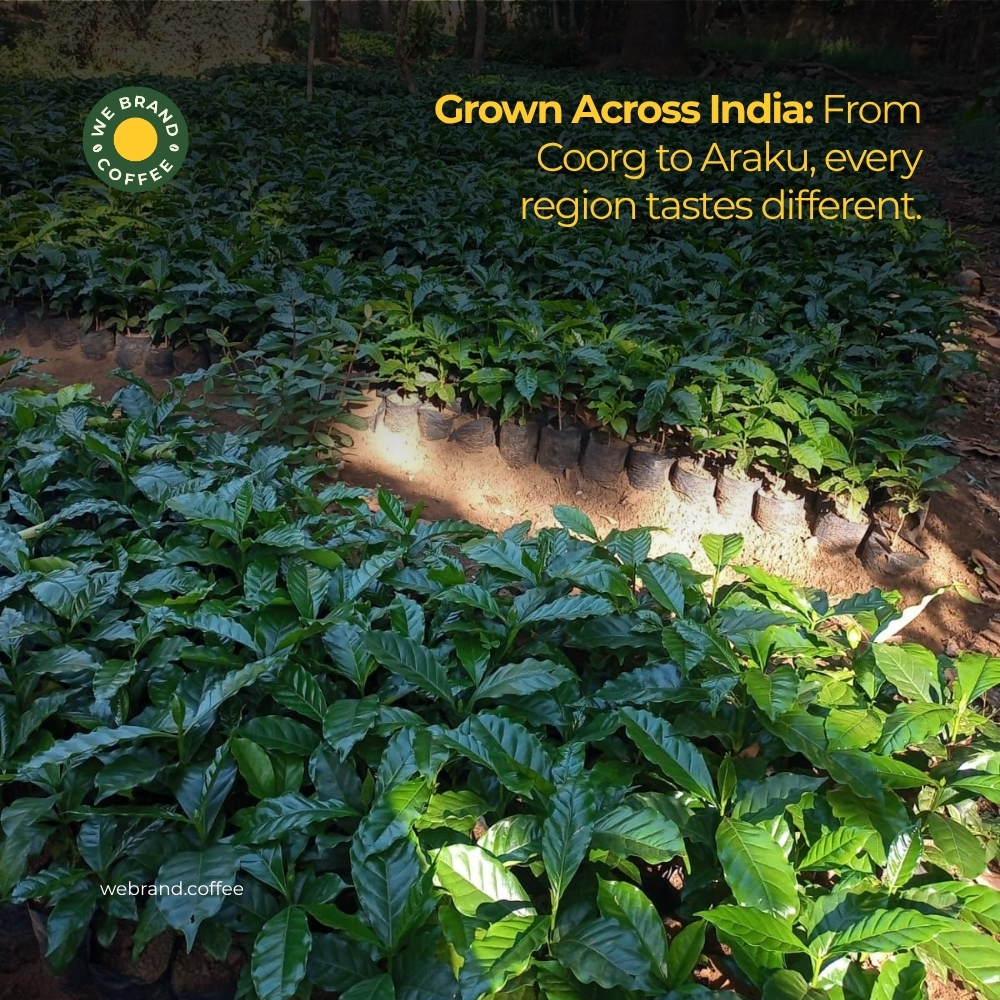
Indian coffee beans are cultivated in three regions of India: the conventional south region that contributes to 90% of the coffee crop, the Eastern Ghats (non-conventional), and the Northeastern hills (emerging). Almost all Indian coffee is shade-grown under a diverse forest canopy. The traditional regions of Karnataka that produce 70% of Indian coffee include Coorg and Chikkamagaluru, where Coorg produces Arabica and Robusta, and Chikkamagaluru produces floral, bright Arabicas.
Kerala is another region, primarily in Wayanad, where premier Robusta is produced. Tamil Nadu estates are high-altitude producing Nilgiris, Shevaroys (Yercaud), and Pulneys (Kodaikanal) known for Arabica that has floral and fruity notes.
Non-traditional regions (Eastern Ghats) include Andhra Pradesh and Odisha. The Andhra Pradesh state is also known to be a specialty coffee-growing area. The coffee produced from Araku Valley in Andhra Pradesh is renowned for its fruity, acidic flavor along with smoothness and sweetness. However, there is an emerging coffee region in Odisha, which is called Koraput.
In Northeastern India, small-scale cultivation of coffee occurs in states such as Nagaland, Meghalaya, Mizoram, and Arunachal Pradesh. Apart from regional sources, what India is known for uniquely is Monsoon Malabar. It is a unique form of preparation whereby green coffee beans are made to come into contact with moisture-rich monsoon winds and acquire a unique flavor that can be described as aged coffee.
The coffee comes in different shades and different shapes that are ready for tasting and serving. Coffee is bittersweet or sweetly bitter with a slight golden glitter, asking to savour all the taste of the region that it comes from.
Beans that are mostly used in cafes: Arabica or Robusta
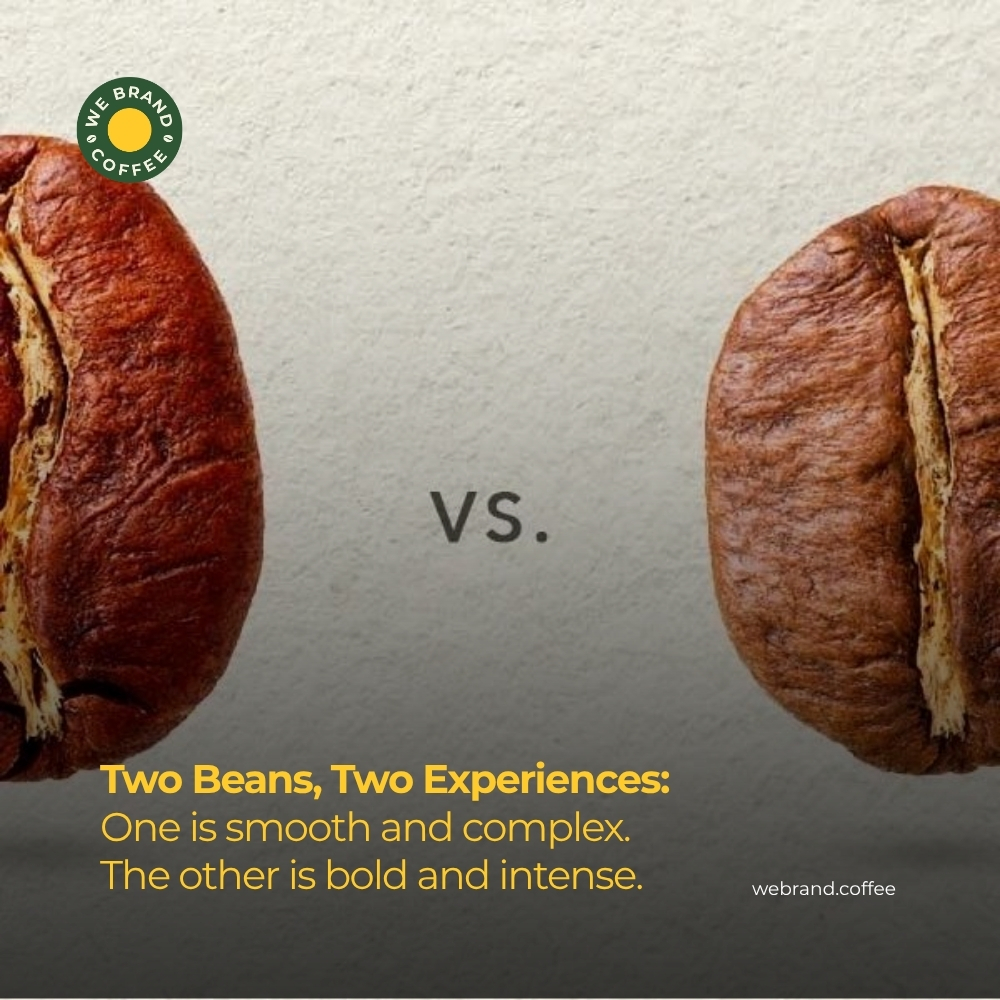
The cafe coffee brand mostly uses Arabica beans as they have a smooth, sweet, and complex flavor, with the caffeine content ranging from 1.2% to 1.5%. Specialty coffee shops use it for pour-overs, cold brews, and single-origin drinks, as this gives pleasant acidity with taste notes of fruit, chocolate, and flowers. Since Arabica contains less caffeine and bitterness, the taste experience matches modern consumers’ tastes.
Many cafes even use Robusta Beans, which they blend with Arabica for espresso-based drinks. Robusta tastes bolder, bitter, and earthy, but it contains double the caffeine, on average, at 2.2% to 2.7% by weight. This also produces thick, long-lasting crema on espresso shots. By adding a small amount of Robusta, cafes can ensure the punchy flavour in milk lattes and cappuccinos.
Conclusion
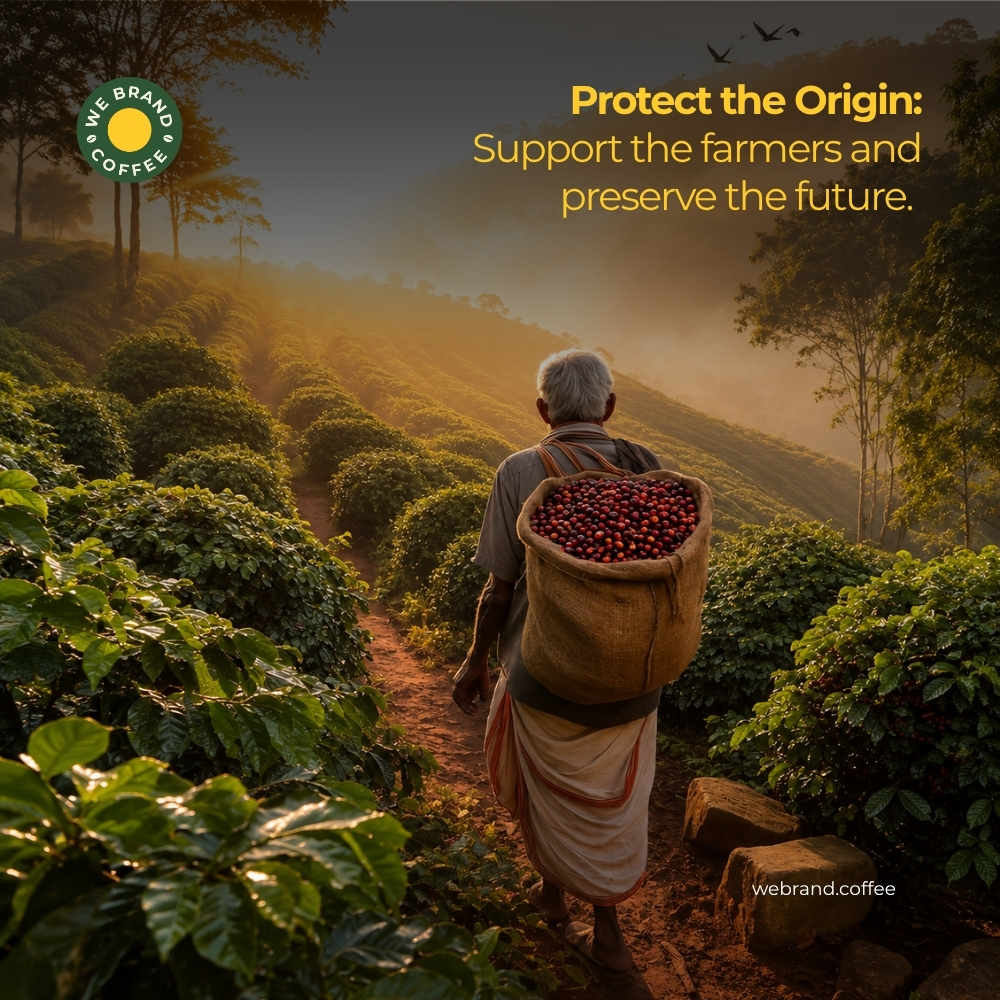
Specialty coffees are not defined by cupping scores alone but require careful growing conditions, unique geography, and the efforts of the coffee farmers who painstakingly harvest and nurture the fruit of their labor. This is particularly true for the Indian coffee belt stretching from Coorg and Chikmagalur to the emerging areas of Araku Valley and Koraput, yet it also faces the danger of climatic changes, uncertain rainfall, and escalating costs of production, threatening the small farm population of India. In essence, there is no way to guarantee the future of the Indian specialty coffee industry, including its unique variety, Monsoon Malabar, without establishing sustainable agriculture.
FAQ
Specialty coffee is graded on quality throughout the entire supply chain, from how the beans are grown to how they’re roasted and brewed. It’s usually single-origin or single-estate, meaning every batch reflects the specific soil, altitude, and climate it came from – which is exactly why terroir plays such a defining role in how specialty coffee tastes.
Terroir refers to everything the environment gives the coffee cherry – altitude, soil composition, rainfall, and temperature swings during growth. In regions across India, higher elevations slow down cherry maturation, giving sugars and flavor compounds more time to develop, while cooler nights boost acidity and cut bitterness. That’s why coffee from different Indian regions can taste completely different even when processed the same way.
A specialty coffee bean can have an incredible story – rare altitude, native soil, traditional processing – but without strong coffee branding, none of that reaches the customer. Good coffee branding translates the terroir’s technical qualities into a narrative people actually understand and remember, which is often the real reason a specialty brand grows beyond its local market.
Coffee shop branding shapes the entire experience around the coffee – from how origin stories are presented on menus to how baristas talk about a specific region’s beans. When done well, coffee shop branding turns a cup of specialty coffee into an experience of place, not just a beverage, helping customers connect emotionally with where their coffee actually comes from.
A strong coffee cafe brand identity gives a cafe a consistent visual and verbal language for talking about terroir, sourcing, and regional identity. Instead of specialty coffee getting lost in generic cafe aesthetics, a well-defined coffee cafe brand identity makes origin and quality part of the customer’s memory of the space itself.
Recent Posts
Related Posts