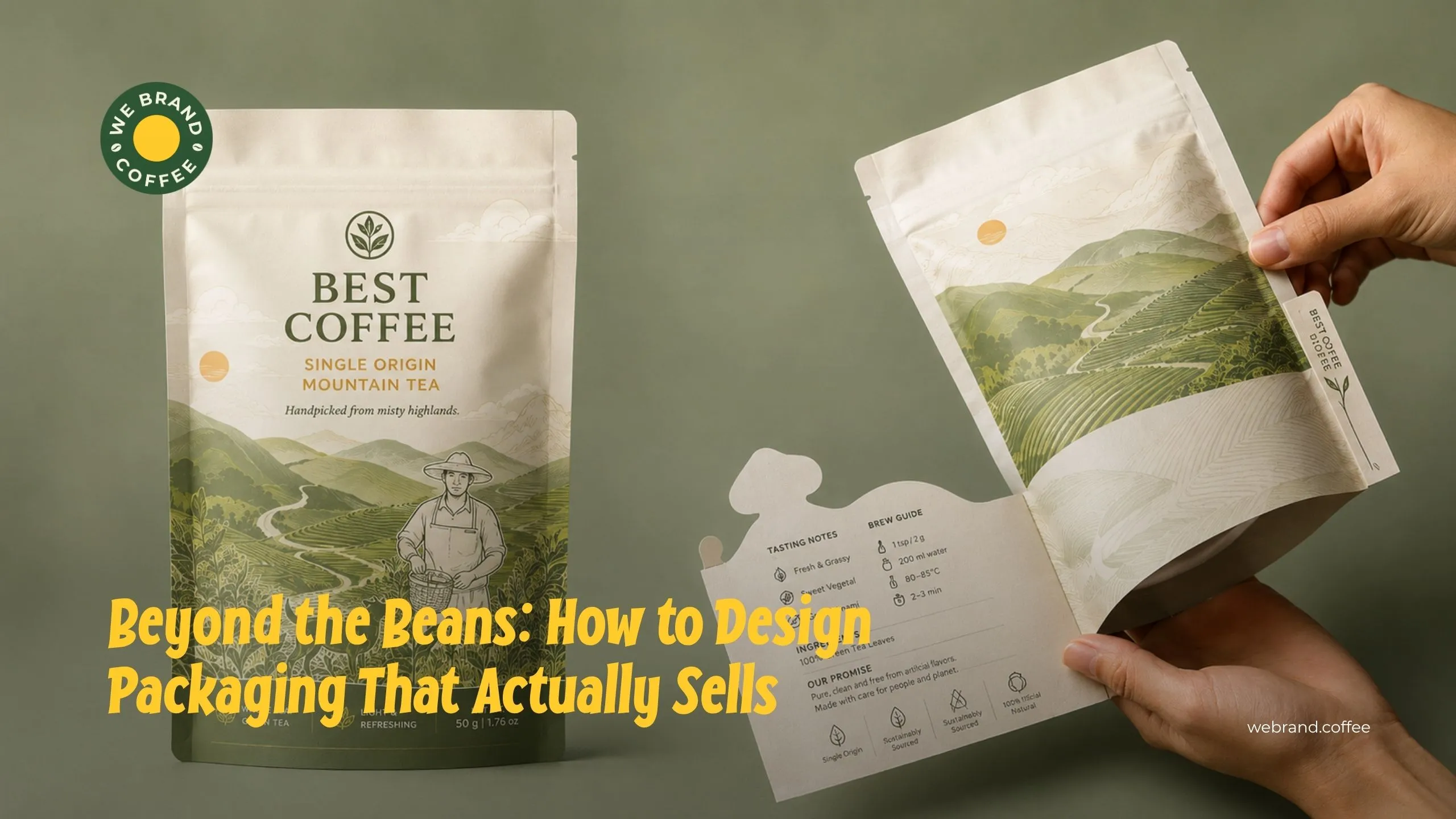
Just take a stroll along the coffee aisle or browse through the online catalogue of a specialty coffee roaster, and it will not take long before you notice something – the coffee industry is saturated. With so many specialty roasters competing for consumers’ attention, simply having great quality coffee beans is not enough. Grab your audience’s attention and heighten your sales with good coffee packaging design.
Creating eye-catching packages for coffee means making a perfect balance between aesthetic messaging, functionality, and material concerns. Here is a list of approaches to help you design custom packaging that helps you stand out and provides coffee freshness.
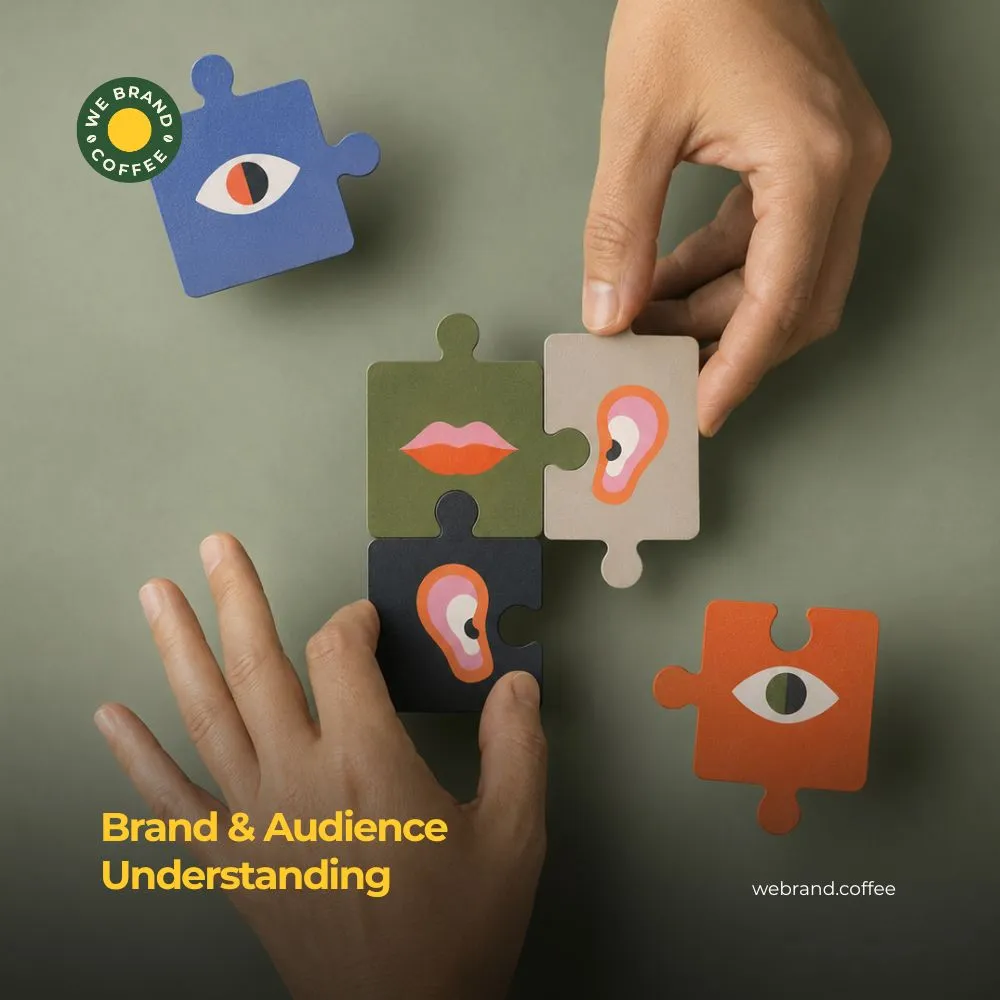
Brand & Audience Understanding
Defining brand identity is more vital than leaping towards colours or bag shapes. Do you offer a friendly morning brew for everyone? A premium, single-origin specialty roaster? Or an eco-friendly roastery? Visual style should match the core brand identity. For minimal and modern, you will need simple typography, muted colours, and white space that conveys premium, honesty, and elegance.
The bold and illustrative styles are more colourful, with custom illustrations, funky graphics, and colourful design that resonate with youths and those who have unique taste experiences. The traditional styles such as natural kraft paper, stamps, and traditional crests convey the idea of artistry and brand warmth.
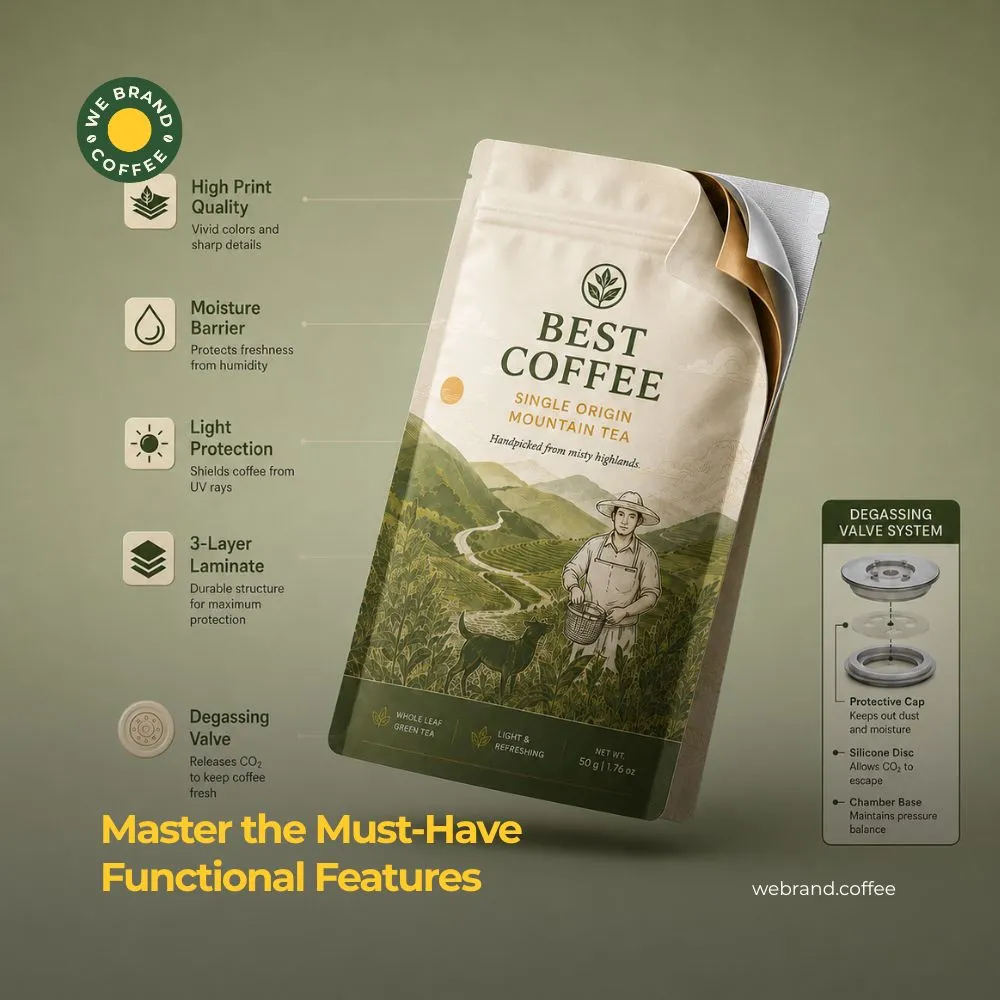
Master the Must-Have Functional Features
The coffee bag may be appealing, but the entire point of packaging is to protect the coffee beans, as they are highly sensitive to light, oxygen, moisture, and heat. To safeguard your coffee beans, you can use a one-way degassing valve; this keeps the coffee beans safe as carbon dioxide is emitted from them for days following the roasting process. The one-way degassing valve emits CO₂ without allowing oxygen to enter the package. You can also use resealable closures in the form of zippers or tin-ties that encourage the consumption of coffee from the original bag.
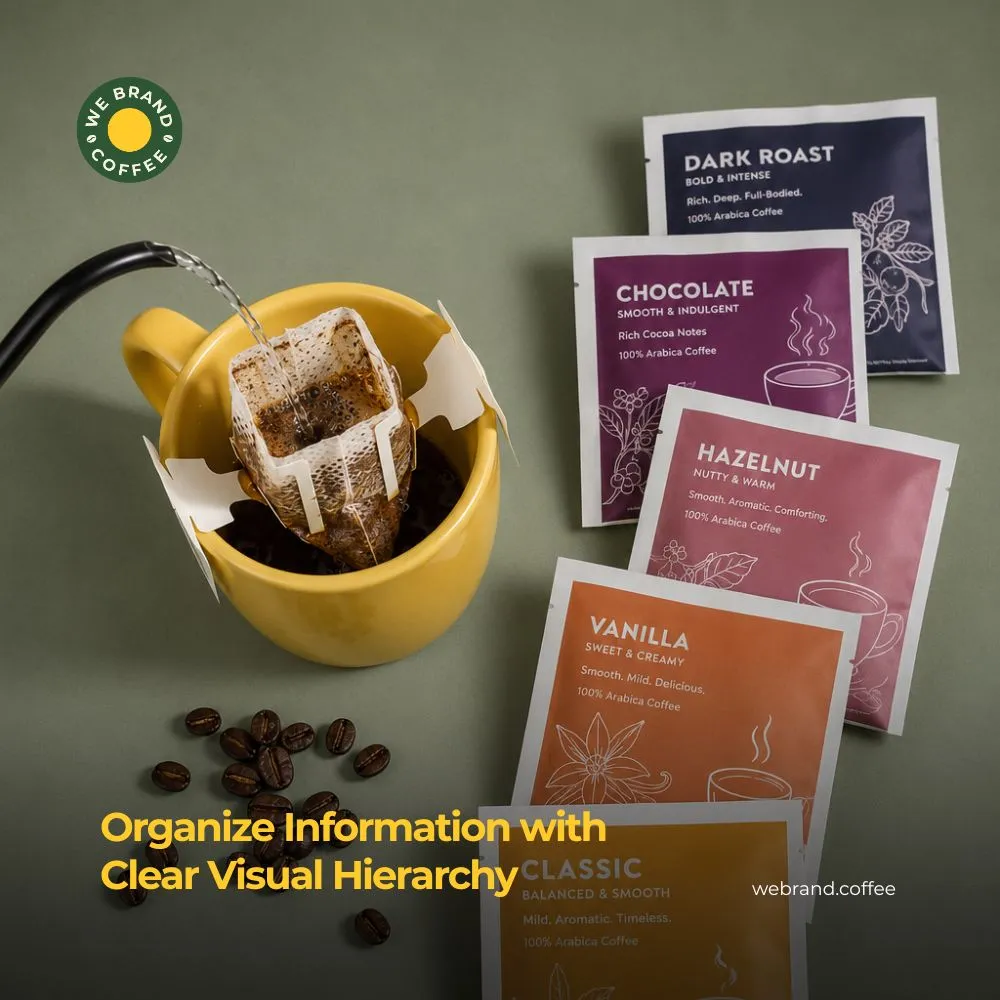
Organize Information with Clear Visual Hierarchy
Coffee buyers look for specific clues depending on how deeply they care about specialty coffee. Organize your label info so it is easy to read within seconds:
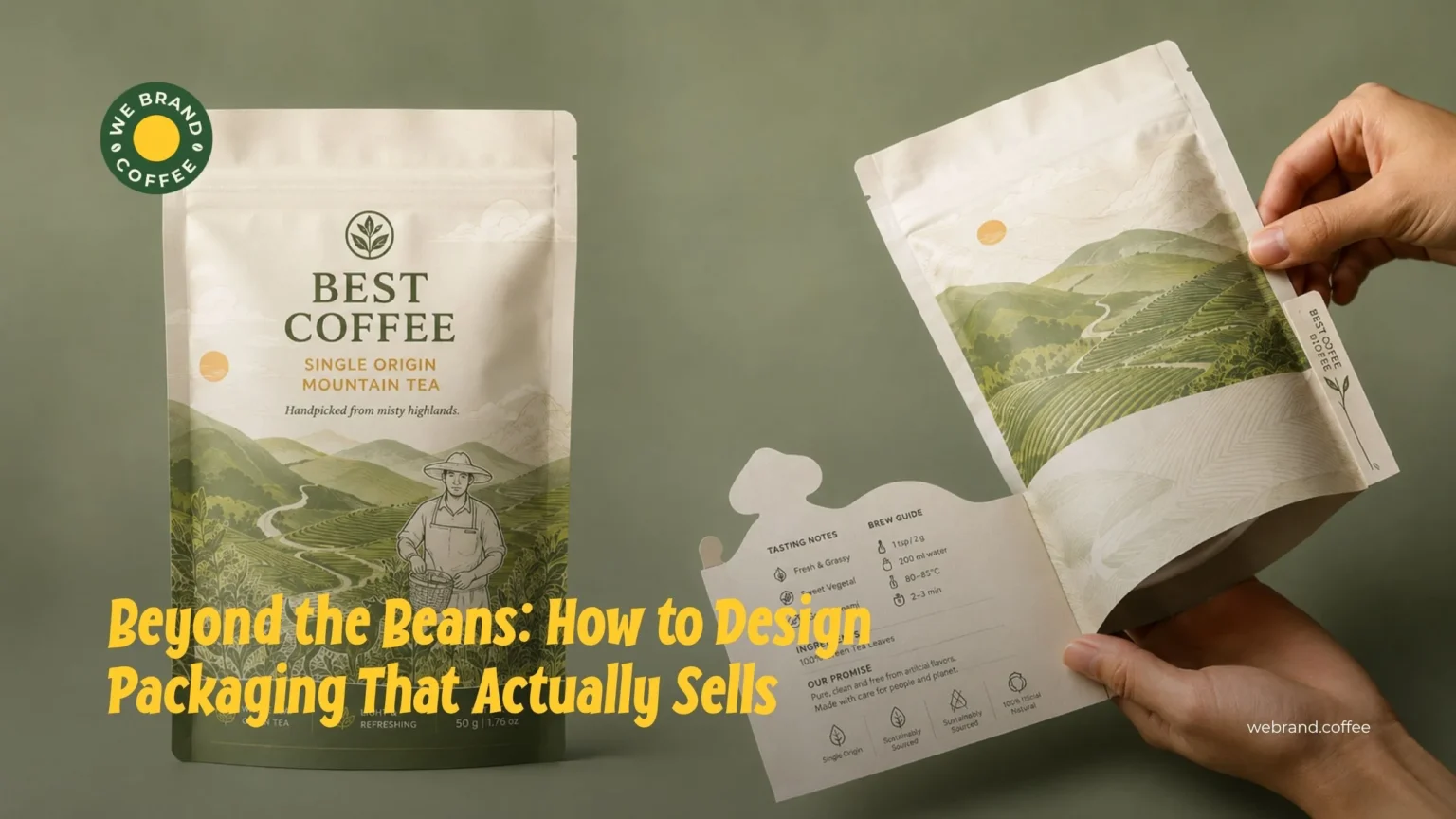
Front of Bag: Keep the front clean and less packed with design and content. Focus on displaying your brand name & logo, roast name or origin like Ethiopia Yirgacheffe or Morning Blend, roast level if it is light, medium, or dark, and showcase the net weight.
Sides or Back: For those who want to dive deeper, add flavour profile tasting notes like jasmine, citrus, milk chocolate, etc. Input information such as 1800m or washed or natural process, as it speaks volumes to specialty coffee drinkers. Specialty coffee buyers require an exact roast date rather than just an expiry date, and giving guidance on recommended methods of brewing like pour-over, espresso, and French press will help your customer get the most out of their purchase.
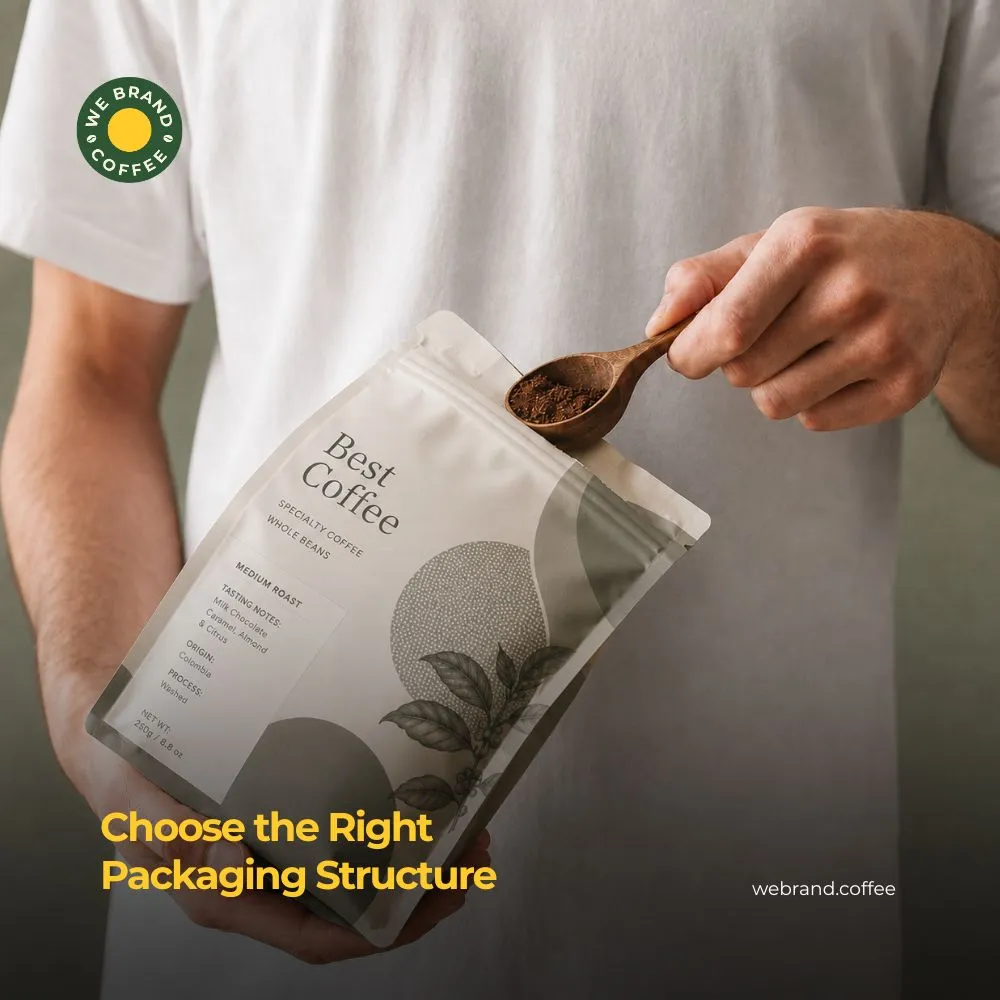
Choose the Right Packaging Structure
Stand-up packaging pouch or doypack are for versatile coffee brands, suitable for entry-level and mid-tier. The features of a doypack include being frugal, easy to pack, and lays flat while shipping. The flat bottom bag, also called a box pouch, is for premium specialty roasts, featuring sturdy stand-on shelves and providing five different printable panels. The side gusset bag is crafted for traditional, high-volume bags that feature a classic look and hold larger volumes cleanly. The canister or rigid boxes are suitable for high-end gifts or rare micro lots, which are reusable and have maximum shelf impact, providing a luxury touch.
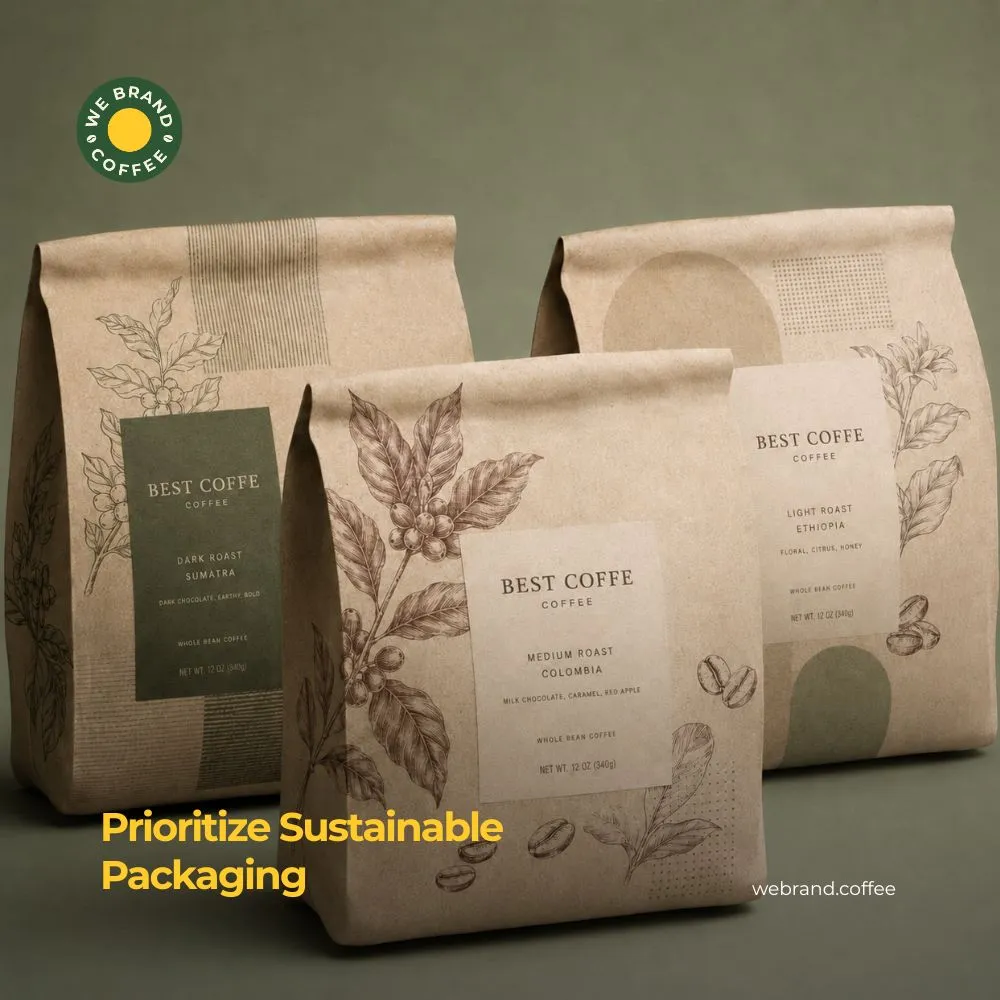
Prioritize Sustainable Packaging
Consumers today are very conscious of how their morning coffee is affecting the environment. Using eco-friendly coffee packaging is a way to enhance consumer loyalty. Use compostable materials like polylactic acid coating and kraft material on the outside that naturally decompose without fear of microplastics. Also, there are recyclable materials that are made of single-polymer plastic materials, which are 100% recyclable PE, hence making it easily recyclable and at the same time retaining an oxygen barrier. Finally, you could opt for non-toxic printing material such as soy or water-based ink.
Conclusion
Always create physical prototypes. That design which seems awesome on the brightly lit screen may end up blending into the clutter on the shelf when viewed in natural light. Don’t clutter the bag with marketing jargon. Instead, focus on what is unique about your coffee beans or process. Ensure that the website URL is easily visible for easy repurchasing by a satisfied or loyal customer.