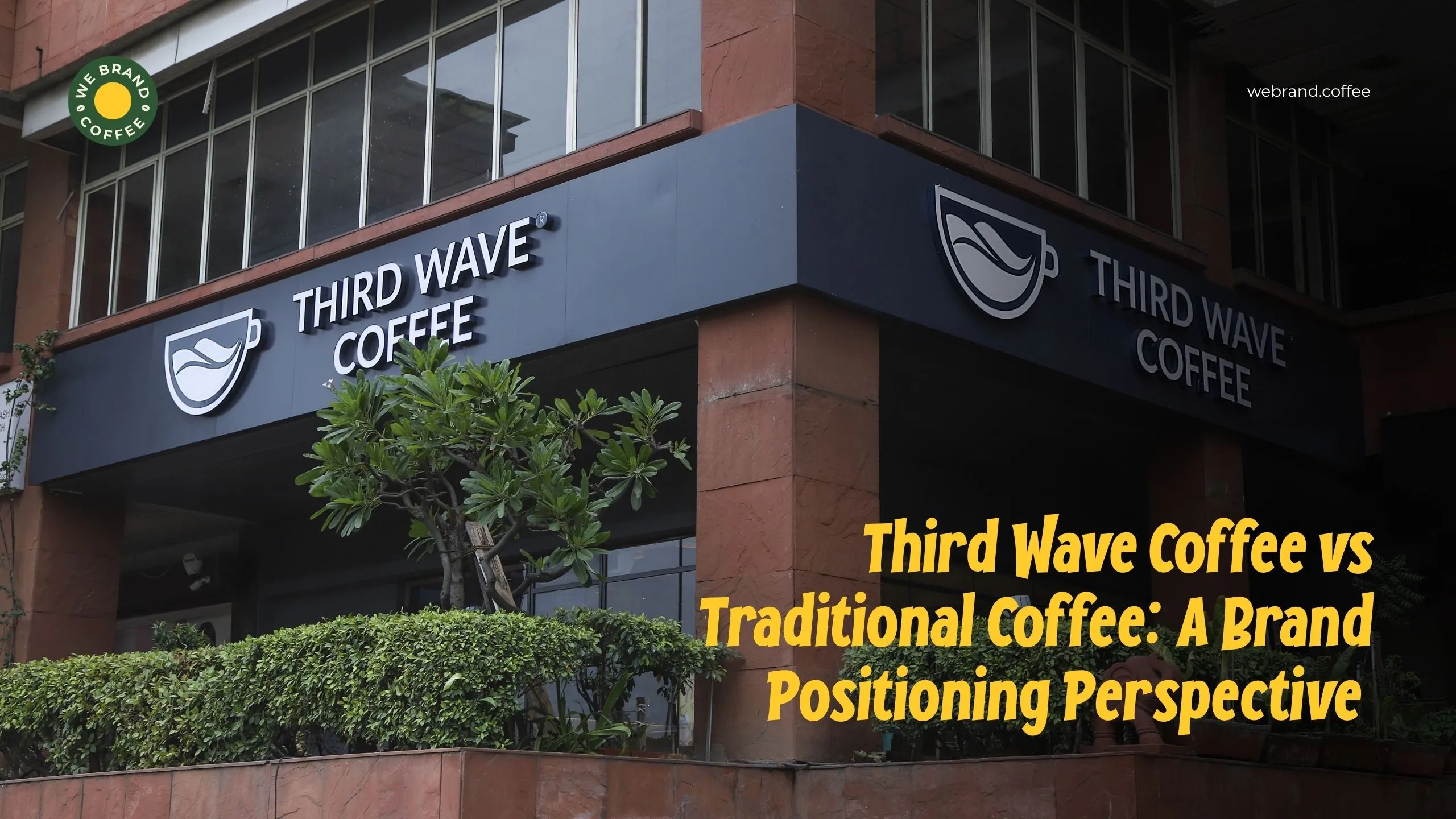
Third Wave Coffee vs Traditional Coffee: A Brand Positioning Perspective.
Recent Posts
Share this article:
Think of it: why would one person happily pay 20 for a cup of coffee while another spends 300 for what appears to be the same drink? Believe it or not, the answer has little to do with coffee. Coffee was once a simple purchase: you would walk into a coffee cafe, order a cup, and expect caffeine. But today the same coffee is a coffee brand with origin farms, roasting techniques, sustainability practices, and even the livelihoods of growers. The rise of third wave coffee has changed coffee from a commodity into an experience.
So, does that mean traditional coffee brands are becoming irrelevant? Well, no, but a lot of it depends on how a traditional coffee brand and a third-wave speciality coffee brand are positioned. Both traditional and third-wave coffee represent two fundamentally different branding philosophies.
At We Brand Coffee, we understand how each of the coffee brand positions reflects valuable insights into changing customer behaviour and the role of coffee branding in competitive markets. This draft is all about understanding how different consumers define value, and how coffee brands position themselves to meet those expectations.
What is the traditional coffee consumer mindset?
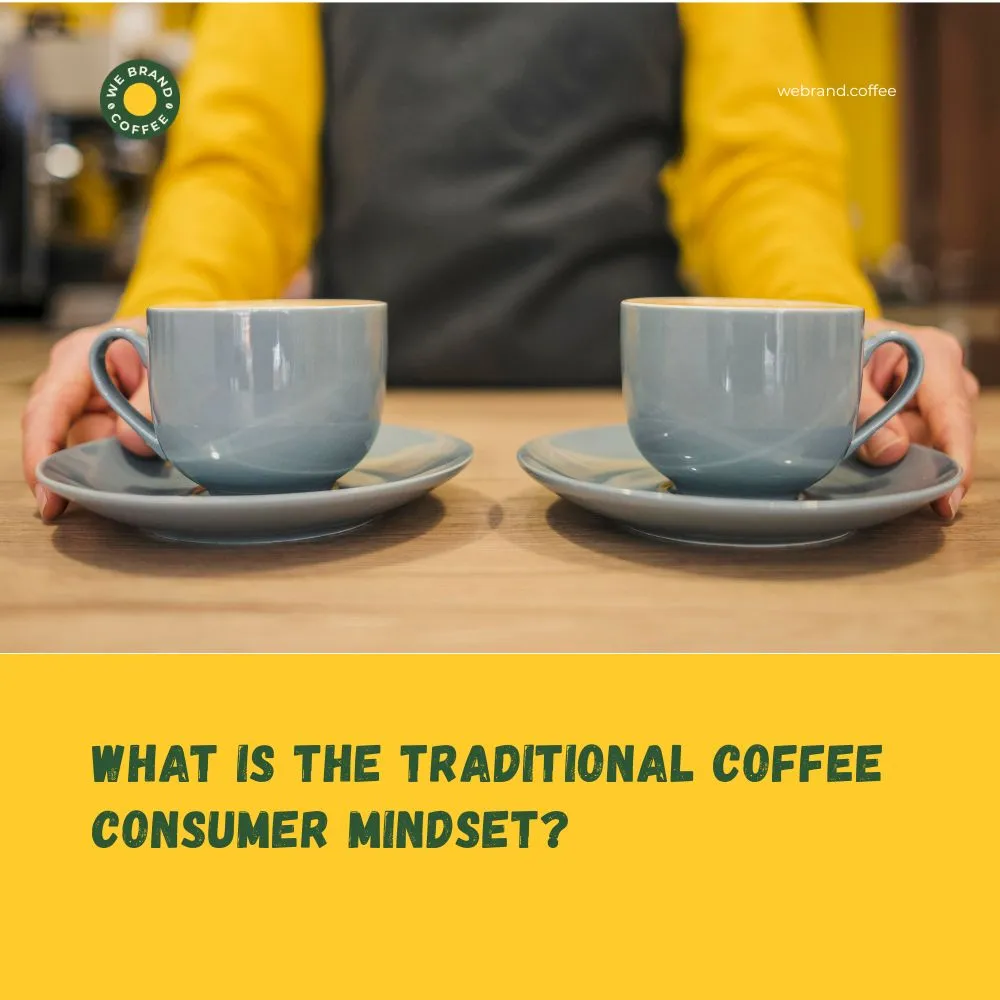
For making an accurate coffee brand positioning strategy in this competitive market, it is essential to understand the audience hold of the market. And when it comes to the traditional coffee consumer perspective, coffee is seen as common a household grocery as bread, milk, or sugar. More of a household staple than a premium experience.
Traditional coffee brand positioning needs an understanding that the consumer does not measure the value of coffee by its origin story or roasting profile; rather, the quality is measured by how good it is in terms of energy, comfort, and familiarity. From a cafe branding perspective, understanding this coffee consumer psychology helps us shape the coffee brand positioning strategies to build a major coffee brand. Marketing focused on convenience, availability, and emotional comfort rather than sourcing transparency.
The key characteristics of a traditional coffee mindset included:
- Convenience and availability
- Strong flavor and caffeine delivery
- Brand familiarity and trust
- Affordable daily consumption
- Fast service and simple choices
- Products that require minimal knowledge
Moreover, from a coffee brand strategy standpoint, traditional coffee consumers viewed coffee as a functional product, which signals us to focus on their trust, routine, and accessibility, where quality certainly mattered, but the coffee brand quality is measured by consistency rather than uniqueness.
Having said that, the rise of speciality coffee and the third-wave coffee movement did not invalidate the consumer mindset; rather, they shaped the mass-market branding that positioned coffee as a functional beverage.
Why is mass-market coffee focused on accessibility?
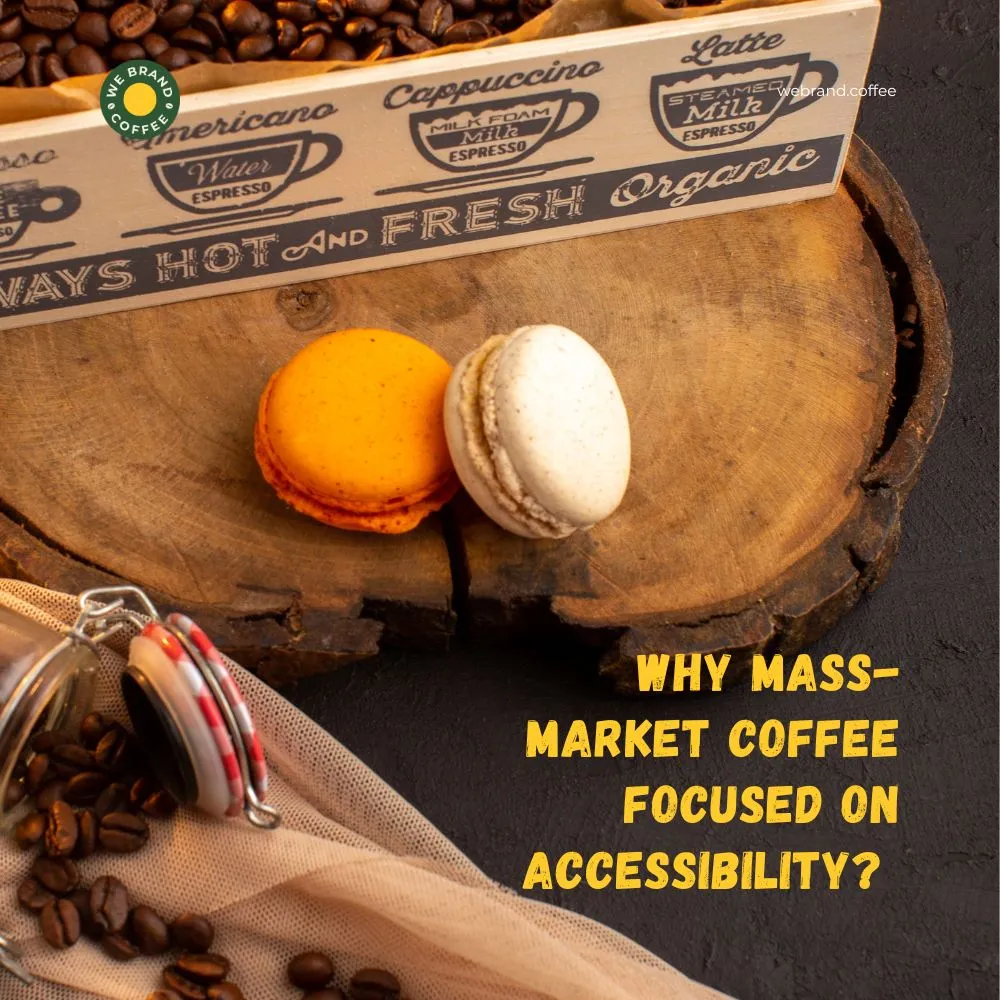
One of the major reasons mass-market coffee dominated for decades is majorly because of accessibility. Traditional coffee consumers did not want to spend time comparing beans from different coffee roasters or learning about roast profiles. Rather, what they look for is a dependable product that fits seamlessly into their routines. That is where mass-market coffee brands recognise this need and build their entire coffee branding strategy around simplicity and accessibility.
As a result, traditional coffee brands start optimising every aspect of their business around reducing friction. The major accessibility drivers meant focusing on:
- Familiar flavours
- Predictable quality
- Competitive pricing
- Convenient locations
- Fast service
- Broad market appeal
The coffee brand positioning strategy helped transform coffee brands into a daily habit across cultures and geographies, making coffee available anytime, anywhere and at a price that most people could afford. This means that their coffee brand positioning was not built around rarity or exclusivity; rather, it was built around convenience.
How different coffee brand positioning creates different purchase decisions?
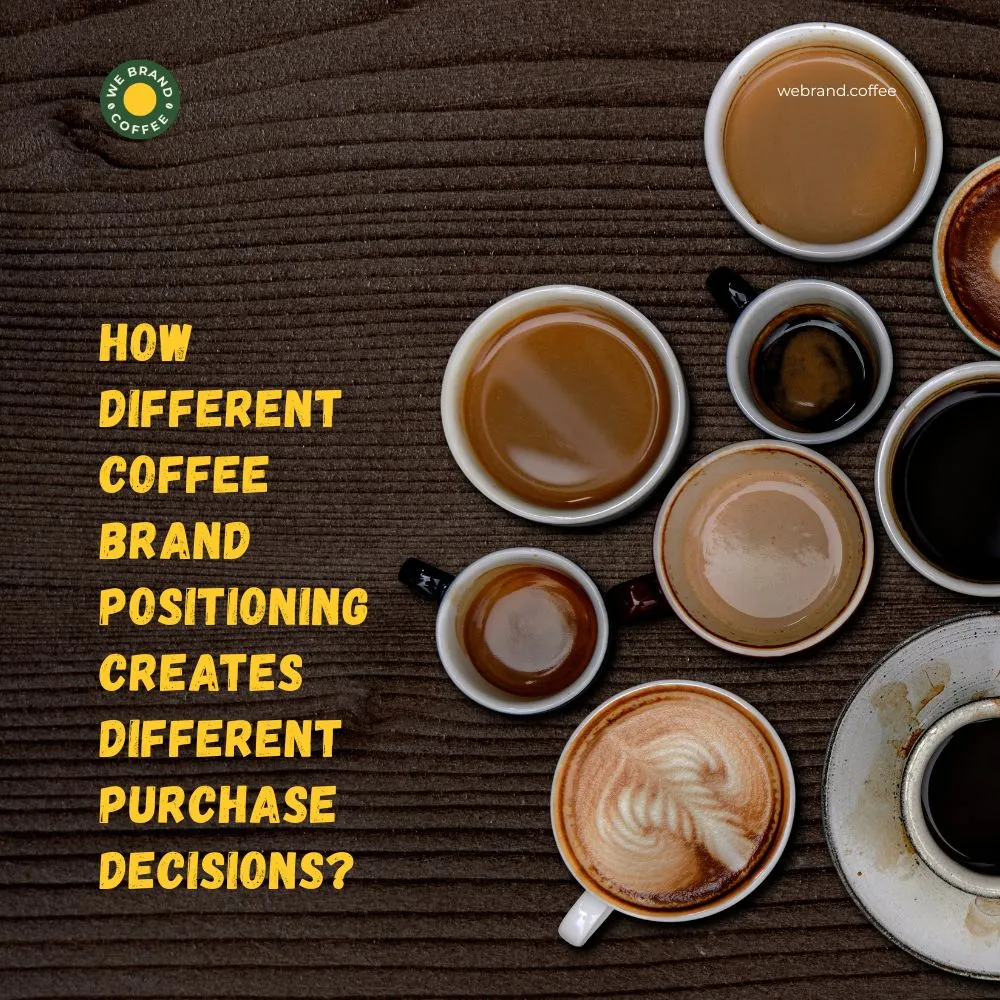
One of the most fascinating aspects of coffee shop branding: before a customer enters a coffee bar, browses beans online, or orders from a café menu, they already carry beliefs about what makes coffee valuable. Those beliefs are largely shaped by brand positioning.
A traditional coffee brand positions itself as dependable and affordable. As a result, consumers prioritise convenience and cost. A third-wave coffee roaster brand positions itself as an expert curator of quality. Consequently, consumers prioritise sourcing, roast profiles, and flavour experiences.
Positioning changes:
- What consumers notice
- What consumers compare
- What consumers remember
- What consumers value
- What consumers are willing to pay for.
This explains why two brands can sell coffee at vastly different price points and still attract loyal customers.
The purchase decision isn’t simply about coffee. It’s about whether the brand’s positioning aligns with the customer’s expectations, motivations, and self-perception. That’s why the strongest coffee brands don’t just sell beverages; they shape how consumers think about coffee itself.
How does brand perception influence price acceptance?

One of the most powerful forces in the coffee industry isn’t the quality of the beans—it’s the perception surrounding them. Consumers rarely evaluate a cup of coffee based solely on its ingredients. Instead, they assess the story, reputation, experience, and trust associated with the brand. This is why two coffees made from similar beans can command dramatically different prices.
Brand perception influences how consumers define value. Traditional coffee brands position themselves around affordability and consistency, leading customers to expect reasonable pricing. In contrast, third-wave coffee brands position themselves around craftsmanship, sourcing transparency, and expertise, creating expectations of premium pricing.
When perception is strong, consumers become more willing to pay higher prices because they believe they are receiving:
- Better quality
- Greater expertise
- Ethical sourcing practices
- Unique flavor experiences
- Superior craftsmanship
- Higher social and cultural value
Consider the difference between buying coffee from a supermarket shelf and purchasing beans from respected speciality coffee roasters. The physical product may not justify a massive price difference on its own, but the perceived value often does.
From a branding perspective, customers rarely pay more for coffee itself. They pay more for what the brand convinces them the coffee represents. In today’s market, perception isn’t just influencing price acceptance; it is often creating it.
Conclusion
The future of coffee is not about choosing between traditional coffee and third-wave coffee. It is about understanding why both exist. Some consumers will always value convenience, affordability, and familiarity. Others will continue seeking craftsmanship, transparency, and unique experiences. Neither mindset is right or wrong; they simply represent different definitions of value. For coffee businesses, the real opportunity lies in recognising that brand positioning shapes those definitions. It influences what consumers notice, what they compare, what they remember, and ultimately what they are willing to pay for. The coffee industry may have evolved dramatically over the years, but one principle remains unchanged: brands that understand their audience win. Whether you are launching a speciality coffee brand or scaling an established coffee business, success depends less on the product itself than on how clearly your brand communicates its value. Because in a crowded coffee market, consumers don’t just choose coffee. They choose meaning.
FAQ
Traditional coffee treats beans as a uniform commodity focused on dark roasts, heavy body, and caffeine delivery. Third Wave Coffee treats coffee as an artisanal food product, leveraging intentional coffee branding to highlight single-origin nuances, roast profiles, and bean origin.
Traditional brands use heavy red, gold, or dark packaging with classic motifs and a traditional coffee bean logo. Third Wave packaging design for coffee favors minimalist layout, bright or pastel palettes, and detailed origin and processing disclosures.
Traditional roasters roast dark to achieve uniform, smoky, chocolatey flavors while masking inherent bean irregularities. Third Wave roasters prefer light to medium roasts, using a distinct, creative coffee logo to highlight complex fruit acidity, floral aromas, and natural bean sweetness.
Traditional coffee marketing focuses on convenience, low cost, morning energizing power, and familiar heritage branding. Third Wave marketing relies on modern coffee shop web design to educate consumers on cupping scores, elevation meters, processing methods, and direct-trade farmer relationships.
Yes, provided they establish a distinct sub-brand or dedicated packaging architecture that clearly communicates specialty origins. Combining a modern coffee house logo with clear sub-branding prevents confusion while attracting discerning Third Wave coffee drinkers.
Recent Posts
Related Posts