Origin Is a Brand, Not a Geography: What Separates a Coffee-Growing Region from a Globally Recognised Coffee Brand?
Recent Posts
Share this article:
In coffee shop branding, there’s a foundational distinction between a category and a brand where the category answers “what is that?” and a brand answers “why this one, and not others in the same category.” So, when we talk about coffee origin, the current coffee industry almost always answers the first question only. Every coffee has an origin, but very few origins have a brand.
Origin is the word the industry has agreed to use instead of admitting it doesn’t have a coffee brand strategy. Sure, origin identifies a coffee, but very few coffee origins have a reason that people actively seek them out. Be it Ethiopia, Colombia, Guatemala, or Sumatra, the origin tells nothing about why you should choose it over the coffee from three other valleys, at a similar altitude, picked by a similarly skilled hand, and roasted by someone with an equally good palate.
With more than 70 countries under the coffee belt, and 40-50 nations depending on the crop for livelihood, only a handful of origins have gained that stage of recognition that functions as a genuine brand equity and not just another geographic identification. From thousands of distinct regions, where each bean is shaped by unique climates, soils, cultures, and processing traditions, closing the gap between the two may be the single biggest untapped coffee branding opportunity in specialty coffee today.
The ability to transform a palace into a promise, a reputation, and a reason for your consumers to choose it over every other origin on the shelf is what separates a coffee-growing region from a globally recognised coffee brand. While the surface question hovers over why certain coffee origins become brands while thousands remain in geography, understanding what brings about that shift is a part of the journey for producers, exporters, union organisations, and coffee brands to remain at par with the coffee branding industry’s next competitive advantage.
The anatomy of a coffee brand that earns its premium from place to preference
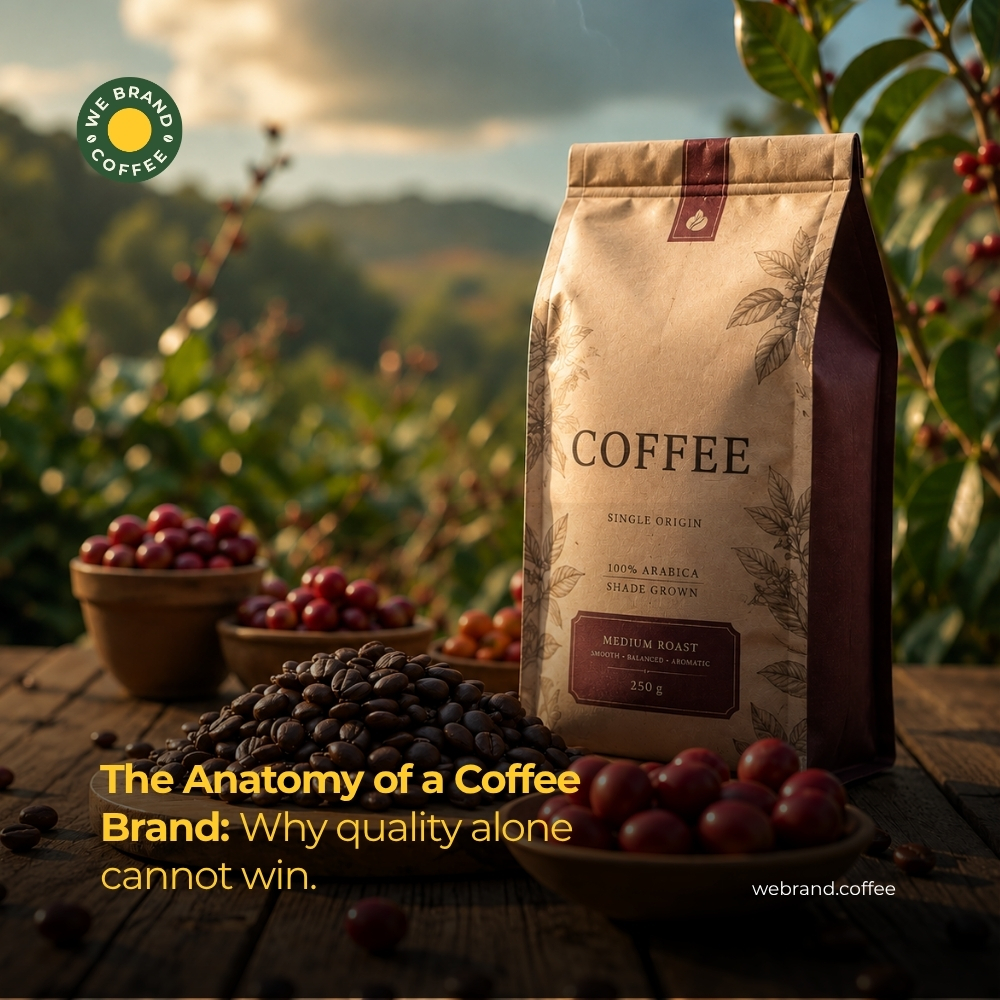
A region becomes a brand, the same way a person becomes a public figure. There is no doubt that the coffee industry likes to believe that great origins become famous because they produce great coffee. Having said that, quality alone cannot create brands. There are thousands of regions producing outstanding coffee, but a region does not become globally recognised simply because it grows exceptional coffee. Rather, it becomes a coffee brand when producers, institutions, governments, and industry stakeholders consistently protect its name and create a story people remember even long after they have finished the cup. And the world’s strongest coffee origins have learned that lesson,
When a varietal becomes a brand, and a brand becomes a commodity

People buy coffee from the coffee brand they know, and an unbranded variety gains popularity when people like the taste of it and grow to love the brand. Specific coffee beans earn the identity due to the taste, quality, marketing, and emotional connection. That’s how it becomes a coffee brand. This change makes the producers increase their prices as a premium, and consumers buy it, because of the promise of the brand rather than the raw ingredients. When you package your coffee brand with a story, it becomes a specialty brand.
The dark side is that if the brand fails to innovate, then the competitors might replicate its features, and the product will lose its uniqueness and end up becoming a commodity. This way, even the consumers will view this as completely interchangeable, and the focus will shift from authenticity to price, where they will choose the competitors and not the original coffee brand. To not fall into this margin-eroding trap, coffee brands need to reinvent through smart innovation or target a specific niche.
What the wine world figured out decades ago, speciality coffee is only beginning to understand?
Every crop has its own environment or terroir, where they have their matching plant varieties and microclimate. Wineries test the soil to determine which grape clone can survive in the specific soils. And this is the process specialty coffee is replicating and isolating specific varieties like Geisha and Pink Bourbon that fit the mountain altitude. For a long time, the wine industry has controlled fermentation techniques such as carbonic maceration, whereas the coffee producers have recently started adopting them to shape the flavour notes of their beans rather than traditional methods.
The wine industry learned the hard way that alienating complexity destroys customer engagement, and this is the lesson that coffee brands are internalizing now. After facing backlash from youths as they felt excluded by wineries, they shifted their approach to storytelling, grading system, and tasting notes. Specialty coffee is undergoing major transitions and is waving goodbye to technical jargon. They are walking towards a more inclusive culture that welcomes everyday drinkers without sacrificing quality and flavour.
How shared geography creates shared branding problems and why origin unity is harder than it looks?
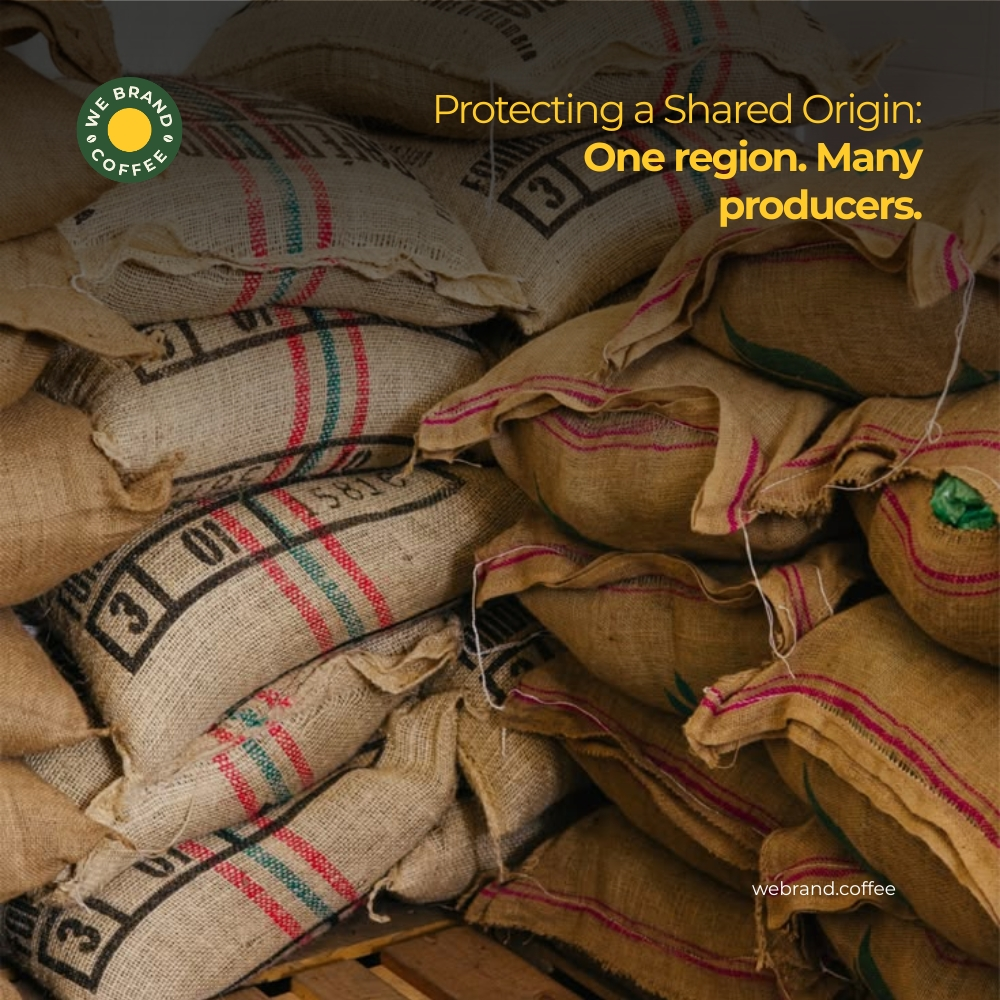
Imagine two coffee brands delivering the beans from the same location; now, there is a branding problem. The reason is that the location acts as a broker for the quality. It means one location has two farmers, even though their coffee beans are different, yet the coffee shops won’t trust that region again after obtaining bad beans. This is one scenario.
Another scenario is that even if a coffee farmer is selling premium beans to a coffee shop and then gets other beans from a different supplier from the same region, then the premium brand’s reputation will also fall. Hence, geography does create branding problems and trust issues. Uniting independent farmers is a difficult task, as they share the same soil, but they are still rivals fighting to sell their beans to the global coffee market.
To save their region’s name from tarnishing, they need to adhere to strict rules like minimum quality scores, good farming practices, and expensive legal protections. Unity isn’t easy, as independent farmers’ only motive is to sell their own harvest, rather than to fund marketing campaigns for regions.
GIs, trademarks, and the quiet battle over who gets to say “Yirgacheffe”
Yirgacheffe is a battle over a coffee growers’ region that should be protected as a trademark or geographical indication (GI). The Ethiopian government in the mid-2000s bypassed traditional GI’s and filed for trademark ownership of regional names like Yirgacheffe, Sidamo and Harrar to take hold of pricing power for MNC roasters. Starbucks opposed this, arguing that geographic names belong to the public domain. And, added that certifications and GI were appropriate tools to verify origin without a single entity controlling the market.
In the end, Ethiopia secured the Yirgacheffe trademarks globally by using a creative, royalty-free licensing model. They also grant the distributors the right to use the name on the condition that they market and sell authentic Ethiopian coffee, which drives global demand and premium pricing. This quiet battle changed international intellectual property, proving that evolving nations can weaponize trademark law that protects local farmers and capture greater retail wealth.
Why do the best coffee origins ship predictability, not just provenance?
The reason behind the coffee origin ship choosing predictability over provenance is that it reflects the roaster’s ability to maintain product quality and operational stability. Provenance is all about the story of bean terroir and heritage, whereas predictability is all about physical attributes like moisture content, water activity, and bean-size uniformity in every sack. From the supply chain view, predictability is what keeps the coffee business alive. If the shipment of the beans comes late or it tastes different every month, the roasters won’t be able to run the shop or sell to the grocery stores. Origins that ship reliably help in building trust, protect roasters from incurring losses, and secure a steady income for the farmers.
How importers, roasters, and third-wave cafes became the de facto brand builders for most origins, for better and worse.
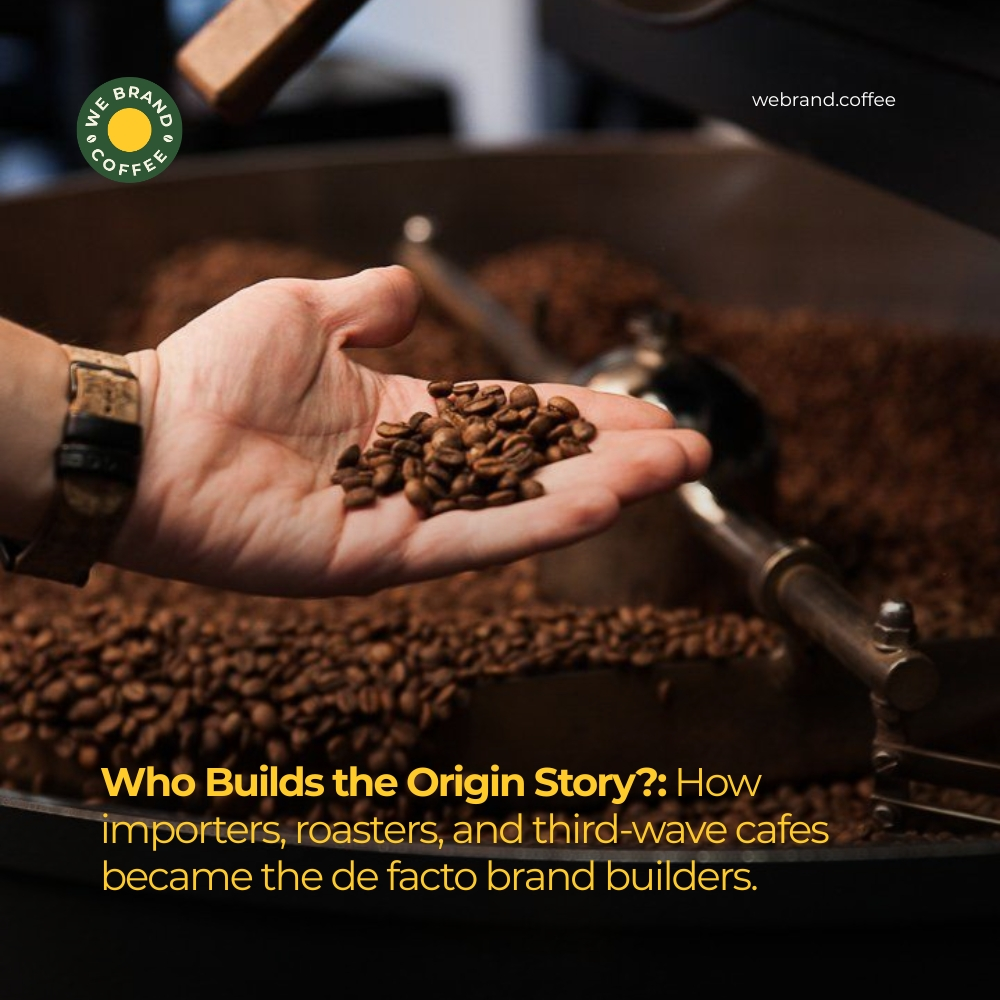
Before, government marketing boards were the ones to decide how the world viewed the country’s coffee. But now, Western importers, roasters, and trendy cafes have taken on the role in a storytelling way. The bags are labelled with the farm name, a unique flavour notes list (fruit or flower), and educate the customers about the different coffee growing regions. This has transitioned the coffee positioning from being a cheap, generic supermarket item. The coffee has transformed into a luxury product where cafes charge higher prices and lend a hand to small farmers to become high-quality bean suppliers globally.
This can also create a big problem because the power remains shaky. Trendy coffees in wealthy countries tend to control narratives and have the upper hand in deciding the origins to be good or popular, leaving farmers out of the conversation. The shops use romantic or old-fashioned stories about poor, exotic farms selling coffee, which will make a farmer look like they are giving charity, rather than a business partner. A bag of coffee can sell for a higher price in a cafe, but the majority of it will be in the roaster’s pocket rather than the ones who grew it.
What can Coorg, Araku, and the next generation of Indian estates learn from origins that got it right?
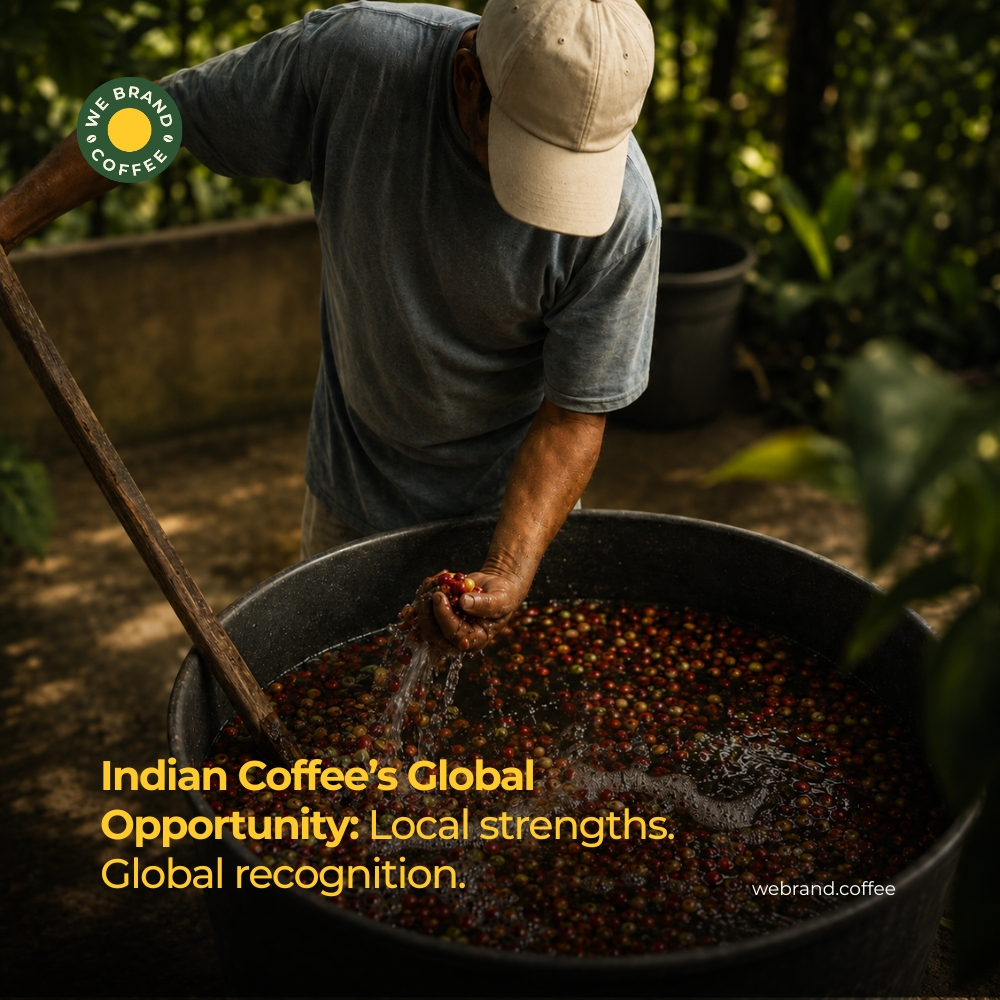
The coffee growers from Coorg, Araku, and the next generation of Indian estates are transforming the farm by replicating the secrets of famous coffee origins like Colombia and Panama. Instead of selling bulk cheap coffee beans to big factories, these farmers are shifting their focus to specialty coffee. They are mapping out the hillsides to sell unique single-estate flavours and are experimenting with science-backed fermentation methods like using sealable tanks and wine yeasts to give the beans a new taste like citrus or berries.
Indian estates are standing out globally with their unique local strengths. Like in Araku, small tribal farmers have united to cut out middlemen, share expensive equipment, and practice eco-friendly farming. But, in Coorg, they are protecting their traditional forest canopies, growing coffee under the shade of fruit and pepper trees. With the help of global processing techniques, these next-gen farmers are perfectly rebranding Indian coffee as premium and luxury on the world stage.
This can also create a big problem because the power remains shaky. Trendy coffees in wealthy countries tend to control narratives and have the upper hand in deciding the origins to be good or popular, leaving farmers out of the conversation. The shops use romantic or old-fashioned stories about poor, exotic farms selling coffee, which will make a farmer look like they are giving charity, rather than a business partner. A bag of coffee can sell for a higher price in a cafe, but the majority of it will be in the roaster’s pocket rather than the ones who grew it.
The uncomfortable truth at the centre of every great coffee origin story
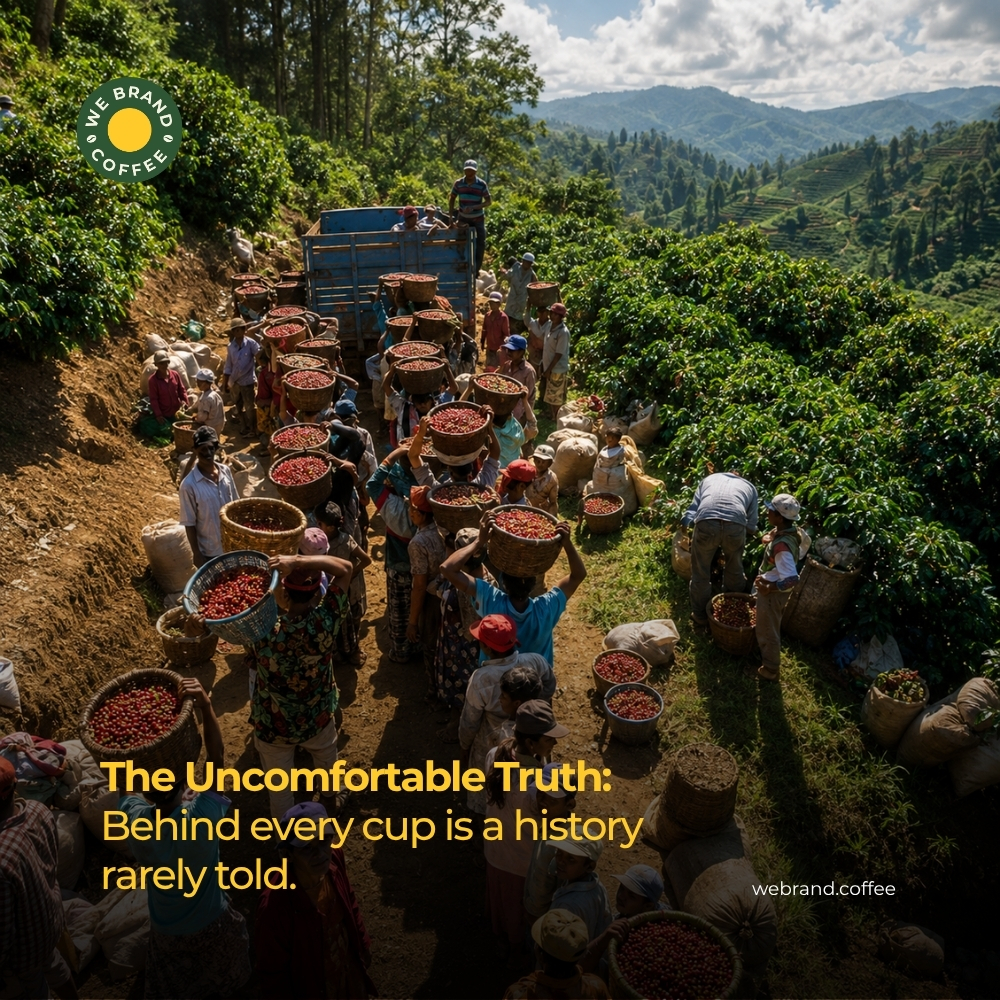
Coffee’s global spread was established on colonial violence, with Europeans shaking the Arab world’s monopoly through smuggling, enslaving labourers, and forcing production. Today, the industry maintains itself with a bitter economic gap where the farmers in the producing nations are living in poverty despite the consumer prices being high.
Yemen maintained a strict, deadly monopoly on fertile coffee seeds until they were smuggled out by European agents. Colonial powers forced coffee cultivators across tropical regions to slave and indenture labour. This expansion involved violent deforestation and displacement of indigenous populations to establish vast populations. The specialty coffee industry is now built on the history of corporate espionage and colonial theft. On the other hand, modern coffee farmers face poverty while wealthy nations line their pockets.
Conclusion
Geography is where coffee comes from. Branding is what helps coffee have a future. Some places, like Jamaica Blue Mountain, Antigua Yirgacheffe, are really well known. They did not become popular just because they tasted good. Someone worked hard to make sure the coffee from these places was always good. They protected the names of these places. Told people about them until everyone knew about them. For places like Coorg, Araku, and other Indian coffee estates, the main thing is not to grow better coffee. The main thing is to decide what people should think when they hear the name Coorg, Araku, or Indian coffee estates. They have to defend this name and make sure it means something, like a special trademark that only they can use.
FAQ
Having an exceptional origin – rare altitude, unique soil, a compelling farming story – is not the same as having a brand. Many coffee producers assume quality alone will carry them, but without strong coffee branding to translate that origin story into something customers can recognize and connect with, even the best beans stay invisible in a crowded market.
Good coffee gets you in the door once; cafe branding is what brings people back and makes them recommend you. Cafe branding covers everything from visual identity to the language used on menus, and it’s what turns a great origin story into a consistent experience customers can recognize across every visit.
This usually comes down to weak coffee shop branding, not weak coffee. A cafe can source incredible beans and still blend into every other “aesthetic” coffee shop nearby if its identity, messaging, and visual language aren’t distinct. Without clear coffee shop branding, customers have no real reason to choose one cafe over another beyond convenience.
A strong coffee cafe brand gives customers something to belong to — a consistent identity, tone, and story that shows up in the space, the packaging, and even how staff talk about the coffee. Origin and quality matter, but it’s the coffee cafe brand that turns first-time visitors into regulars.
No – aesthetics alone don’t build a lasting brand. Many visually stunning cafes fail within a couple of years because looking good isn’t the same as having real coffee branding. Without a clear identity behind the visuals, even the most photogenic space struggles to hold customer loyalty once the novelty fades.
Recent Posts
Related Posts