Recent Posts
Share this article:
The coffee industry is booming with unique cafe concepts and coffee ideas that attract young people. From specialty coffee to the way filter coffee is introduced, today’s Gen Z has become a major force in the coffee market.
GenZ's Obsession With Coffee
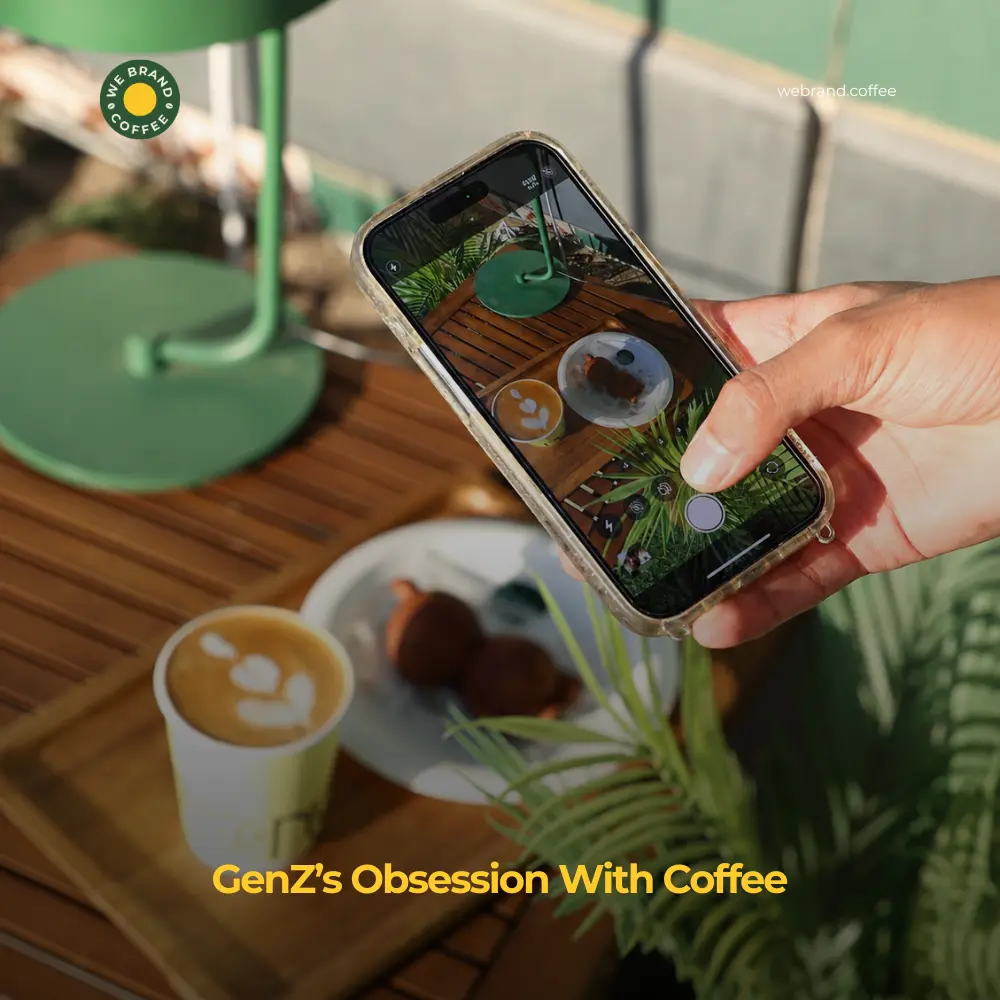
Gen Z is squirming into the coffee shops, clicking two to three aesthetic photos to share with their followers. For this gen, coffee is more of a lifestyle accessory, social media plus, and a little treat when tired or in for something special.
Being one of the 60% of youth who love cold brew and iced espresso is quite the hype nowadays. Well! The reason is that cold coffee, even though it is tasty and cool, doesn’t end with that, as it also lowers acidity and has a smoother flavour profile. And younger generations love this a lot.
Relishing a personalised drink like cold coffee that contains yummy syrup, foam, and collagen is the entire vibe. Specialty coffee is also known as a little treat culture that boosts mood and prioritises self-care. Now, when it comes to colourful iced drinks, it becomes an aesthetic hype, making good decor for the Instagram grid as well as for their followers.
Cafes have also become so conceptualised that youth will be attracted to try the place for its ambience, coffee, and other refreshments. This place has become a workplace and social hub where consumers get a quick cup but also experience the full experience. The kind of cafes they opt for are transparent, eco-friendly, and offer plant-based milk like oat milk or almond milk. These are the trends going around, and they match their values.
This is exactly why thoughtful coffee branding matters more than ever – from the cup sleeve to the storefront sign, every touchpoint shapes how Gen Z perceives a cafe. A distinctive coffee logo design or cafe logo helps a shop stand out on a crowded high street. In contrast, a cohesive coffee shop logo design across menus, merchandise, and store windows builds instant recognition. Many cafes are now investing in a proper coffee cafe logo design paired with eye-catching coffee packaging design for takeaway cups and retail bags, since Gen Z is quick to photograph and share anything that looks intentional and well-designed.
Beyond the physical space, an appealing coffee website design is becoming just as important as the interiors, letting customers browse menus, check ambience photos, and even order ahead before they walk in. And because this generation lives online, consistent coffee shop social media marketing – think reels of latte art, behind-the-scenes roasting content, and community shoutouts – is often what gets a new cafe discovered in the first place.
The biggest problem in the coffee industry
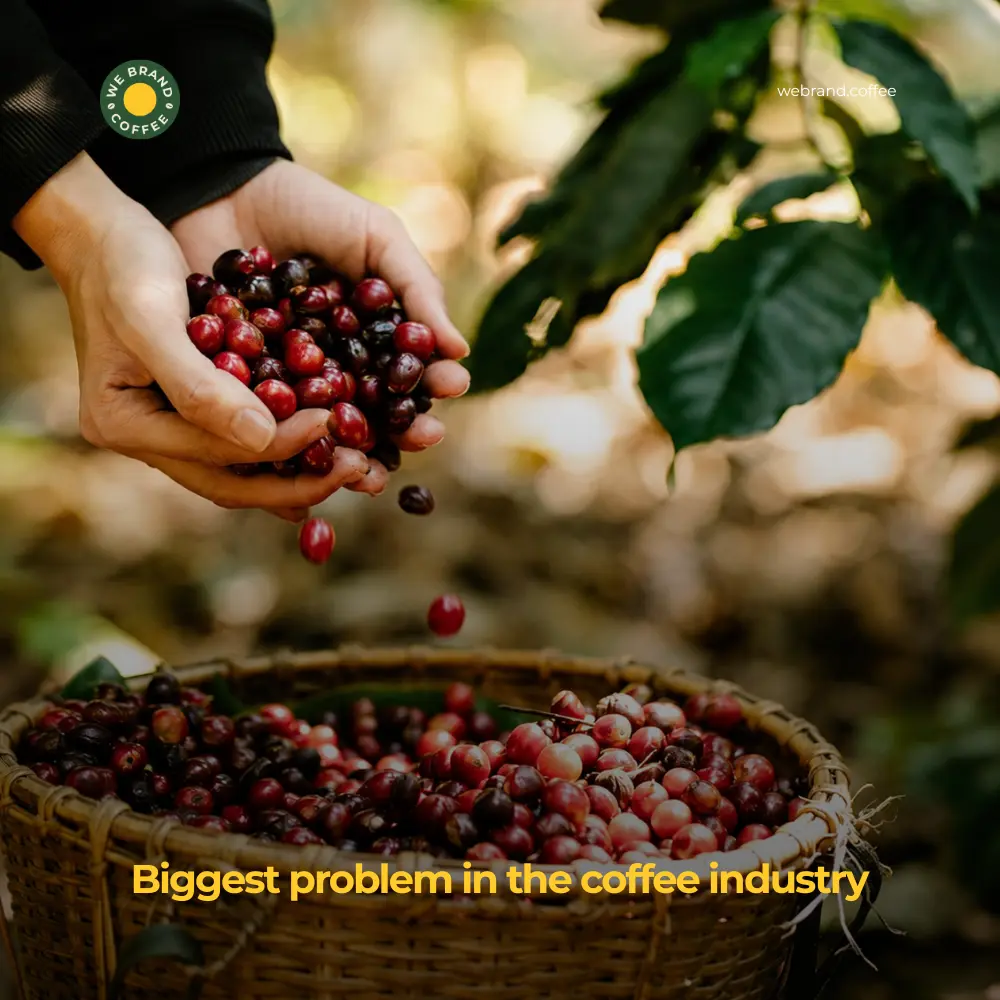
The coffee industry might look booming on the outside, but its biggest problem is economic unsustainability and extreme poverty among small farmers. This is due to fluctuations in global market prices and rising production costs, with climate change making the entire coffee production and distribution process more complex.
According to a study, there are many farmers who live in poverty, and 60% of the world’s coffee is produced by small-scale farmers because the price they receive is insufficient and the true cost won’t cover it.
High-value crops like Arabica and Robusta are at risk due to rising temperatures, erratic rainfall, and weather that endangers the coffee belt. As coffee estates need financial stability and manual labour, youth are staying out of coffee farming, which results in farm closures.
That’s not it; even the cost of pesticides is higher, and fuel, logistics, and labour have messed up the profit margin for local farmers and cafe owners.
40% of the world’s coffee production
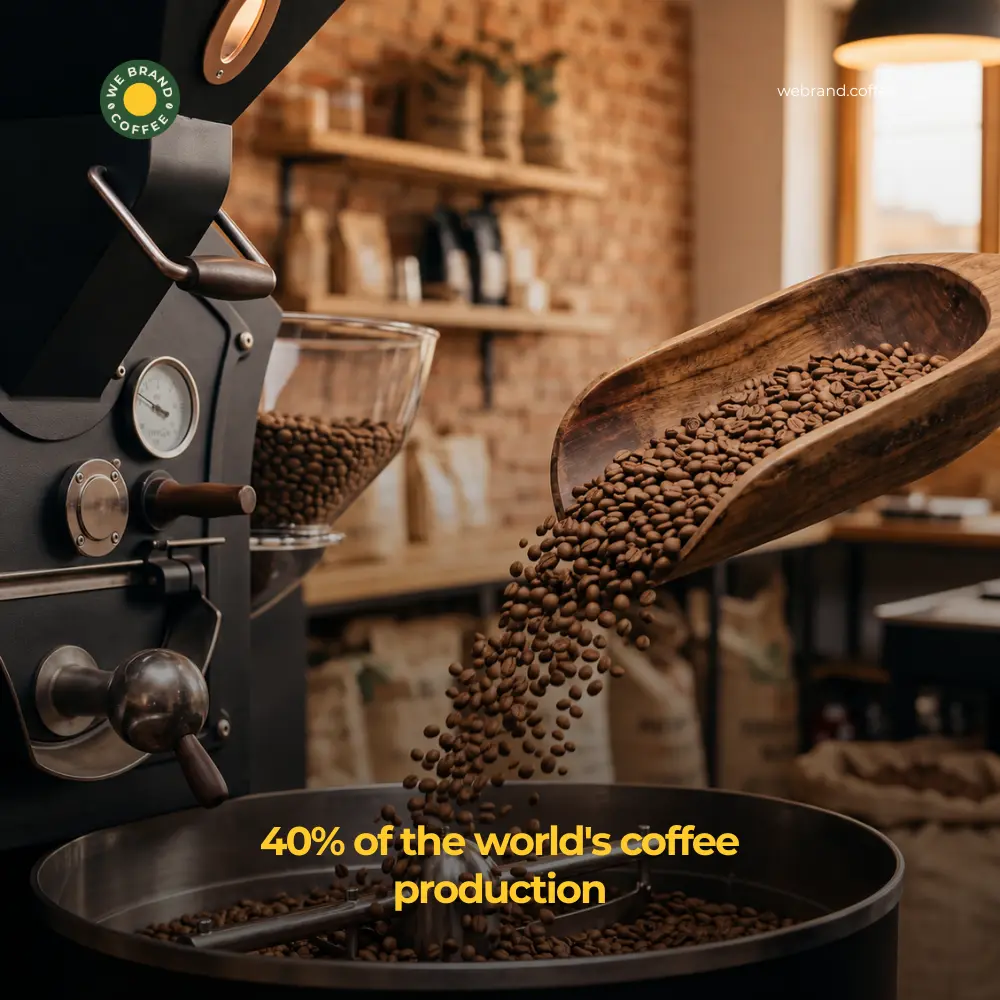
There won’t be any global coffee shortage in 2026, as forecasted by USDA, as coffee production increases by 6% to 189.7 million bags for the year 2026-27, led by a good crop in Brazil. Due to the increased yield in Brazil, Vietnam, Ethiopia, and Uganda, 10 million bags are expected, helping replenish consumed inventory.
From late 2025, prices have come down, and weather has improved, with a forecast of a larger harvest, which is a good sign for major roasters. There won’t be a total shortage, as there will be spikes in local prices and market fluctuations due to disruptions in shipping, freight costs, and climate change.
The world’s coffee supply is within 35 to 40% in Brazil, and this producer has been in the global top spot for 150 years. This country grows both Arabica and Robusta beans, and the majority of the harvest is Arabica. The farms here are located in Minas Gerais, São Paulo, and Espírito Santo. The second-largest coffee producer is Vietnam, which produces about 16% to 18% globally.
2-hour coffee rule
This is a wellness strategy where one needs to wait 90-120 mins after waking up before you drink your first cup of coffee. This rule helps with morning cortisol, when your body surges with the alert hormone cortisol as soon as you wake up. Immediate consumption of coffee will clash with the natural cortisol peak. Waiting will let your wake-up process finish, preventing midday energy crashes. Adenosine is a substance that causes sleep and gets removed during the night while building up a bit in the morning, but after consuming caffeine, the sleep feeling disappears
World’s becoming too hot for coffee
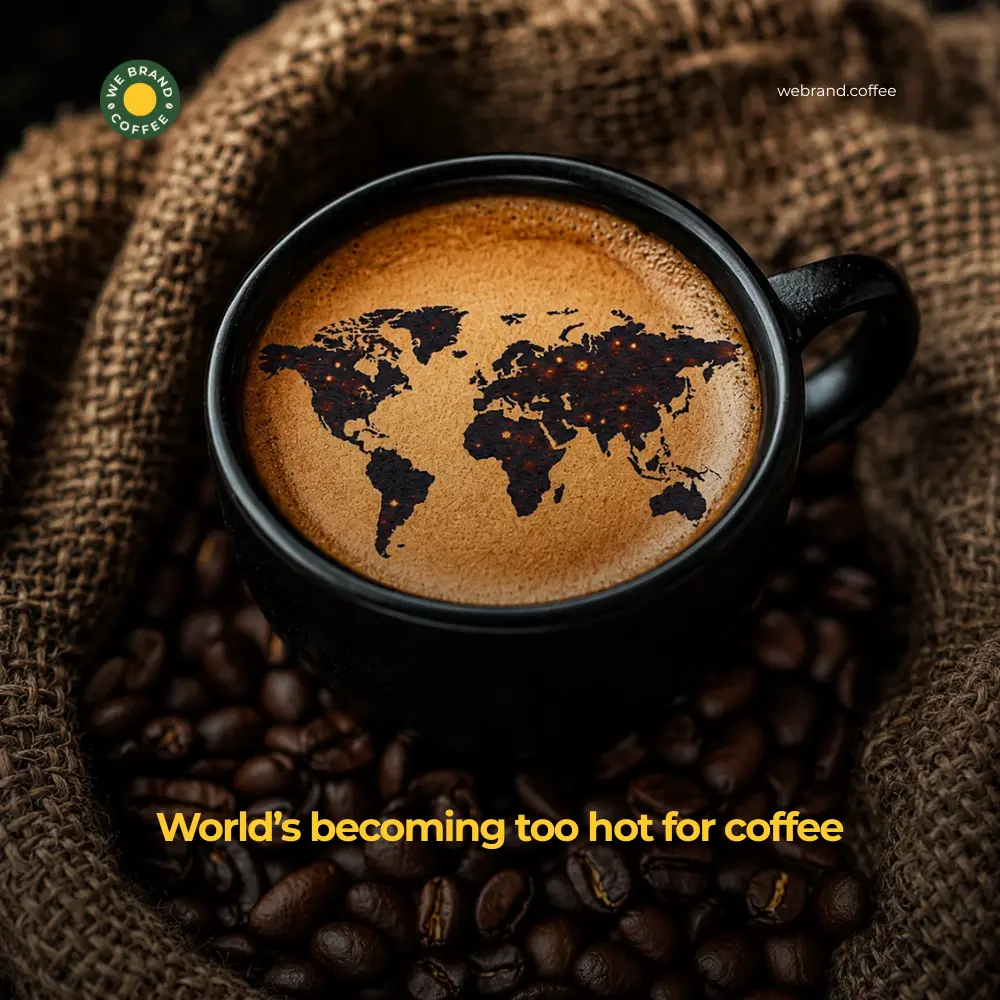
It’s true: rising temperatures are making major coffee-growing regions hotter, harder to farm, and more expensive. Research conducted by Climate Central shows that coffee-producing countries are facing heat up to 85 degrees (F), that is 30 degrees C, every year.
Due to excess heat, coffee flowers are dying, bean sizes are shrinking, and there is a drop in harvest. Pests and diseases grow on the coffee leaves and look like crop-damaging fungi, which happens when the weather is warm. Farmers are moving crops to high-altitude lands due to the hot weather, and the land there is limited and expensive.
Increased production costs occur when there is low supply and damaged crops, which leads to pricey products distributed globally.
Jobs that consume more coffee
The most coffee is consumed by journalists and media staff, according to a survey by Pressat. Other coffee-consuming jobs are police officers, teachers, plumbers & trade workers, nurses & medical staff, and company executives. Mostly high-stress environments, long hours, and irregular work shifts push them to drink more coffee.
Conclusion
Coffee has a different vibe for different people, and if you ask them why they drink coffee, then their answer will certainly be taste without bitterness, customizing the beverage according to their mood, supporting direct-trade brands, eco-friendly practices, clean energy, and health benefits. On the other hand, farmers are in poverty, and the true cost isn’t helping them cover their labour costs. That’s not it; even the weather and distribution are getting difficult, and delays in shipping, freight costs, etc are making it worse. But then, in 2026-27, there won’t be any coffee shortages due to the bumper crop from Brazil.
For cafe owners looking to capture this Gen Z audience, the takeaway is clear: great coffee is only half the equation. Strong coffee branding, a memorable coffee shop logo design, thoughtful coffee packaging design, and an active presence through coffee shop social media marketing are what turn a good cup into a lasting brand.
Recent Posts
FAQ
Coffee shop aesthetics focus on how a café looks, including its interiors, colour palette, furniture, packaging, and visual style. Coffee branding goes much deeper. It defines what a coffee brand stands for, who it serves, what makes it different, and why customers should choose it over competitors. While aesthetics create a first impression, coffee branding creates long-term recognition, emotional connection, and customer loyalty.
A great coffee shop design can attract attention, but it cannot explain why your business exists or what makes it memorable. Strong coffee branding gives customers a reason to choose your café, recommend it to others, and return repeatedly. Design influences the first few seconds of customer perception, while coffee branding influences how people remember and experience your business over time.
A coffee branding agency helps coffee businesses build a clear and distinctive identity before creating visual assets. This includes developing brand positioning, naming, messaging, brand voice, storytelling, customer experience strategy, packaging direction, and visual identity systems. The goal is to create a coffee brand that communicates a consistent and meaningful story across every customer touchpoint.
Related Posts